

How Power-Split Hybrid Systems Work: eCVT Technology
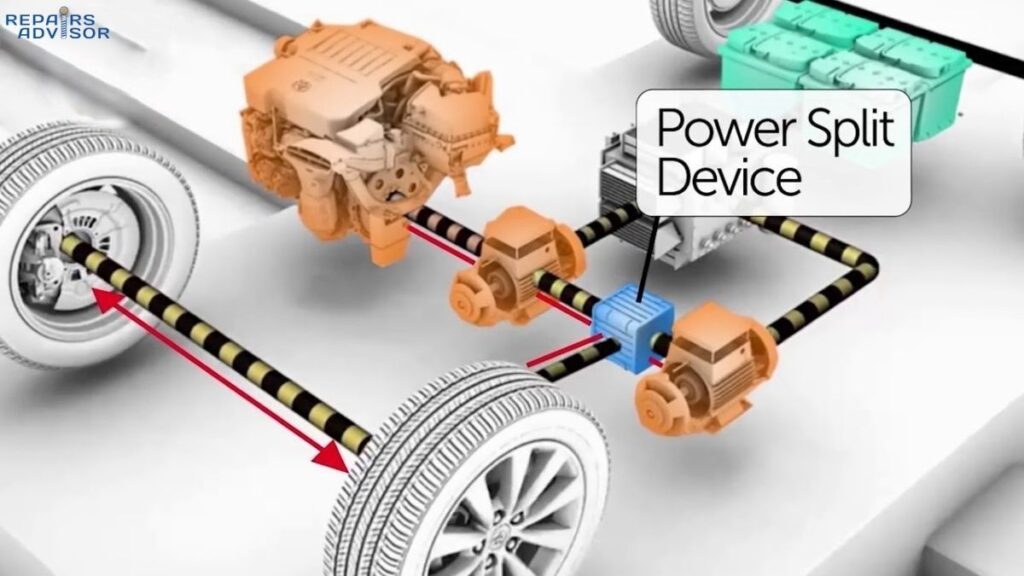
The power-split hybrid system represents one of the most elegant engineering solutions in modern automotive history — a powertrain that fluidly combines an internal combustion engine with two electric motor-generators, connected through a single planetary gear set that effectively creates an infinitely variable transmission with no traditional gear changes. If you’ve ever driven a Toyota […]
How Fuel Pressure Sensors Work: Injection Control
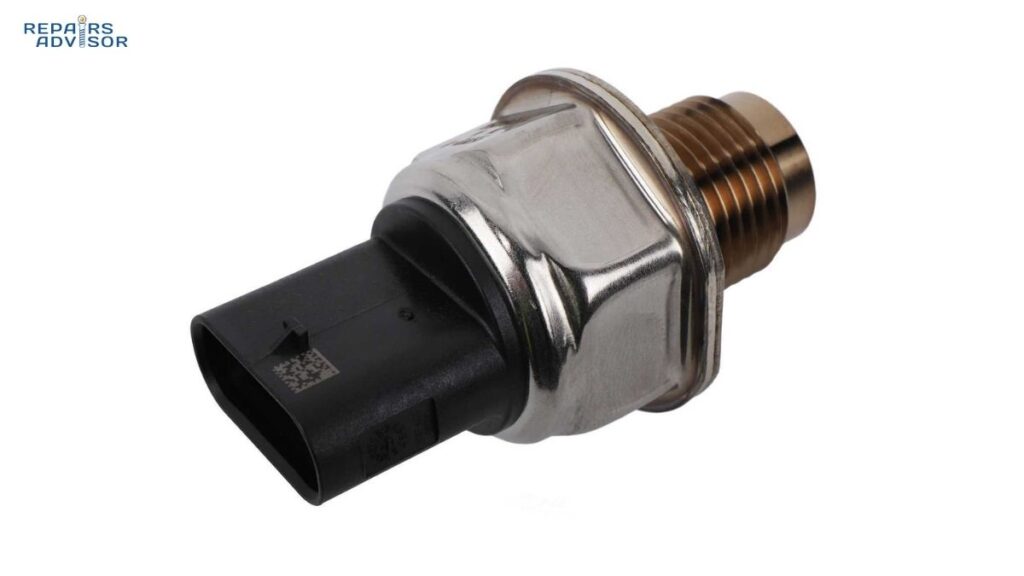
The fuel pressure sensor is one of the smallest components in your engine bay, yet it carries an outsized responsibility. Measuring fuel rail pressure in real time and feeding that data to the engine control unit, it sits at the heart of every fuel delivery decision your engine makes — from cold starts to wide-open […]
How Yaw Rate Sensors Work: Vehicle Dynamics
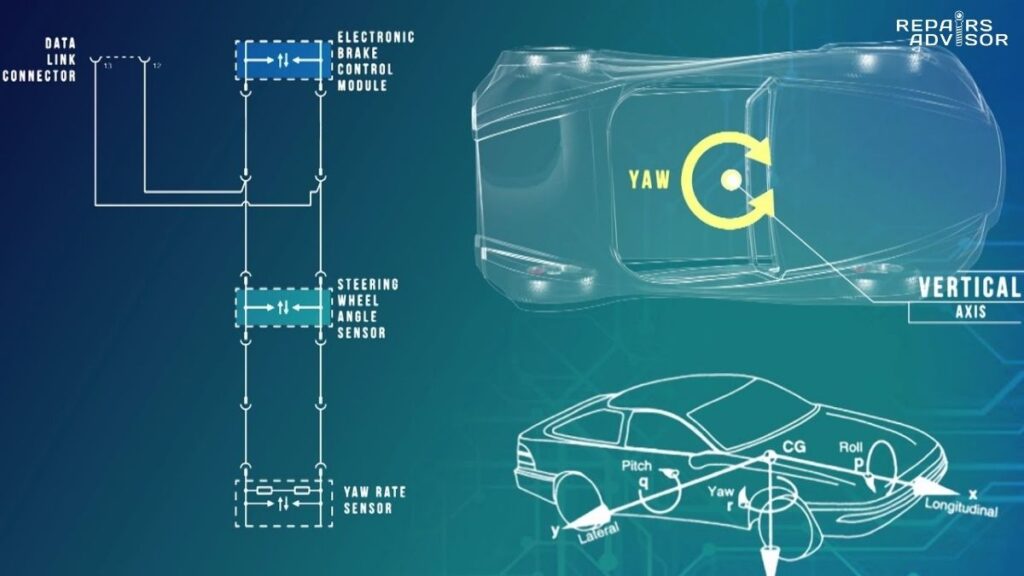
Most drivers have never heard of the yaw rate sensor, yet this compact electronic component quietly stands between controlled cornering and a dangerous spin-out every time conditions get challenging. Mounted near the centre of gravity in your vehicle, the yaw rate sensor continuously measures how quickly the car is rotating around its vertical axis — […]
How Steering Angle Sensors Work: Position Detection
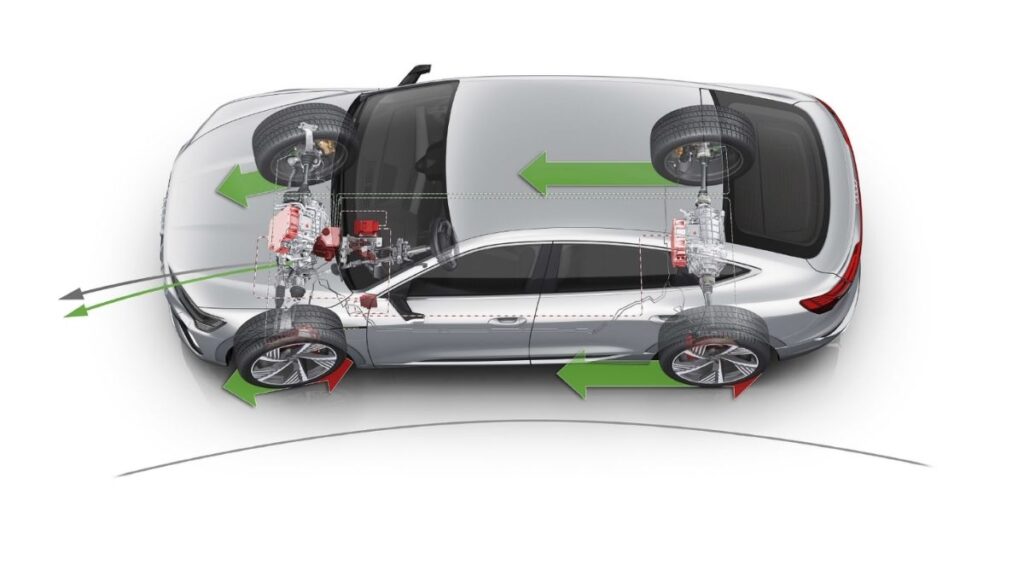
Every time you turn the steering wheel, a small sensor hidden inside the steering column is already calculating where you want to go — long before the vehicle’s safety systems have time to react. The steering angle sensor, or SAS, is one of the most quietly important components in a modern vehicle. It feeds real-time […]
How Wheel Speed Sensors Work: ABS Input
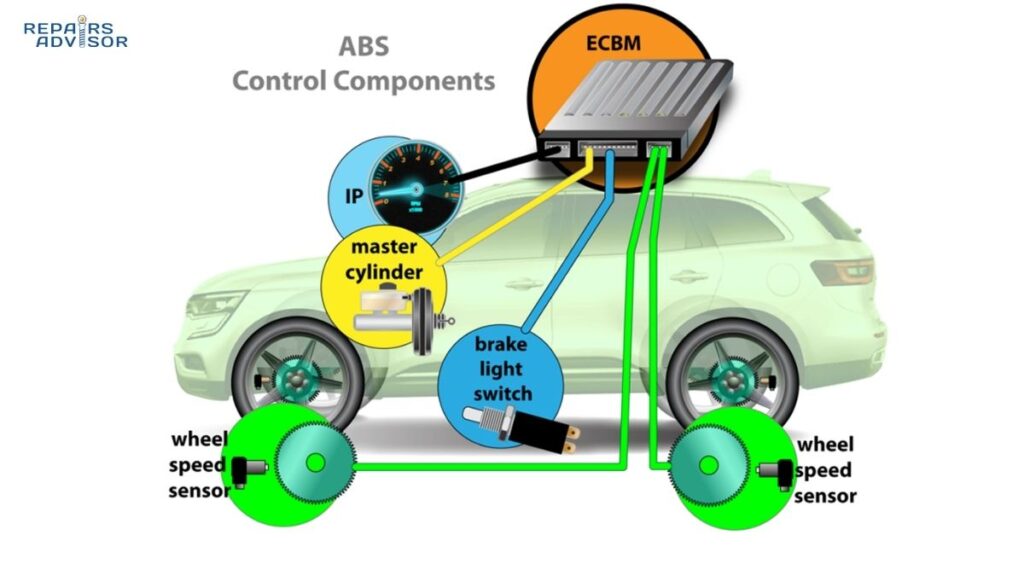
Every time your ABS activates on a wet road, or your traction control catches a spinning wheel before you feel it, a small sensor at each corner of the vehicle is making it possible. The wheel speed sensor — also called an ABS sensor or WSS — measures how fast each wheel is rotating and […]
How Throttle Position Sensors Work: Pedal Input
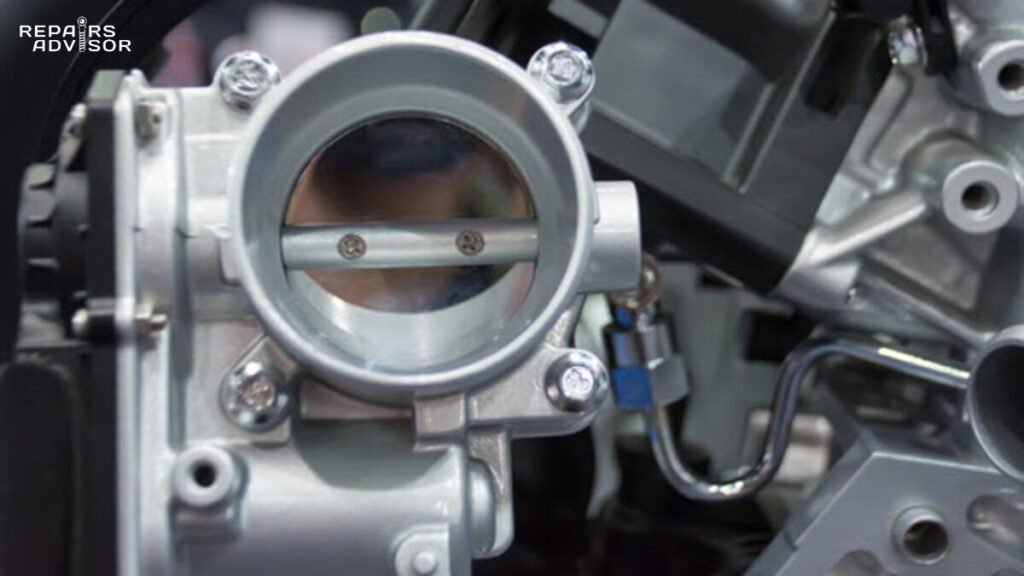
Every time you press the accelerator, a small sensor on your throttle body is translating that pedal movement into a voltage signal your engine’s computer uses to decide how much fuel to inject. That sensor is the throttle position sensor (TPS) — and when it starts to fail, it corrupts the one input the ECU needs most. […]
How MAP Sensors Work: Manifold Pressure
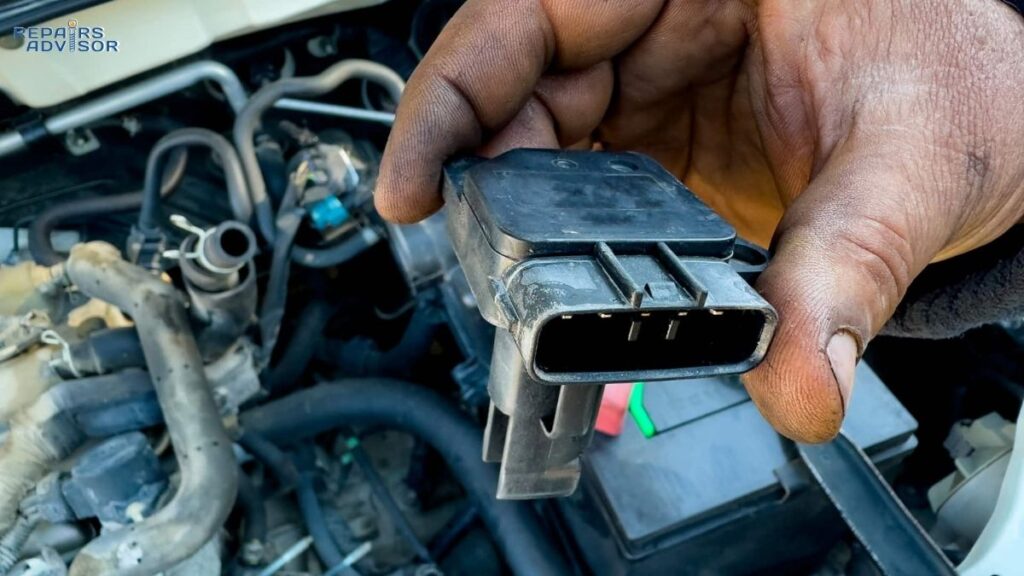
Every time you press the accelerator, your engine has milliseconds to decide how much fuel to inject and when to fire the spark. The MAP sensor — short for Manifold Absolute Pressure — is one of the key inputs driving that decision. Sitting quietly on or near your intake manifold, this small sensor monitors the […]
How Camshaft Position Sensors Work: Valve Timing
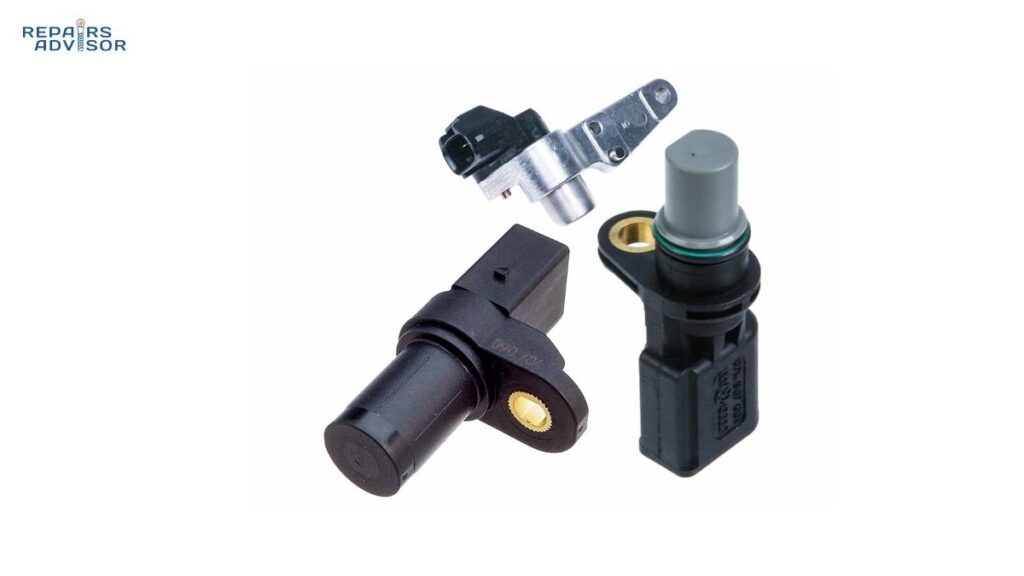
About the size of your thumb and costing less than $50 in parts, the camshaft position sensor is easy to overlook — right up until it fails. This small sensor feeds the engine control unit (ECU) real-time data on camshaft position, which the ECU uses to time fuel injection and spark delivery for every cylinder. […]
How Crankshaft Position Sensors Work: Engine Timing
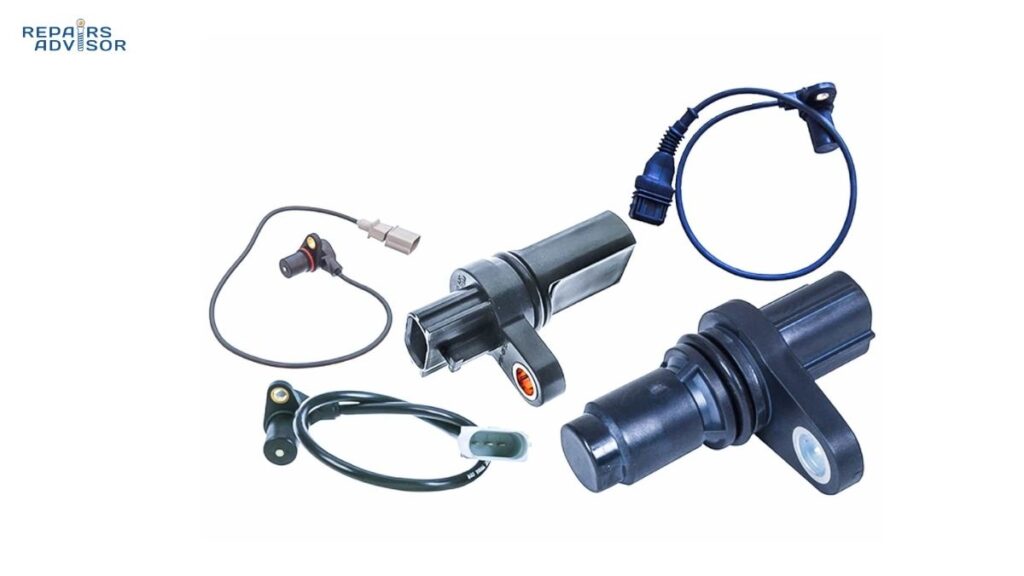
The crankshaft position sensor — often abbreviated CKP, CPS, or CAS — is one of the most important sensors in a modern engine. Every time your engine fires a spark plug or squirts fuel into a cylinder, it’s because the ECU consulted the crankshaft position sensor first. Without an accurate signal from this sensor, the […]
How Coolant Temperature Sensors Work: Engine Temperature Monitoring
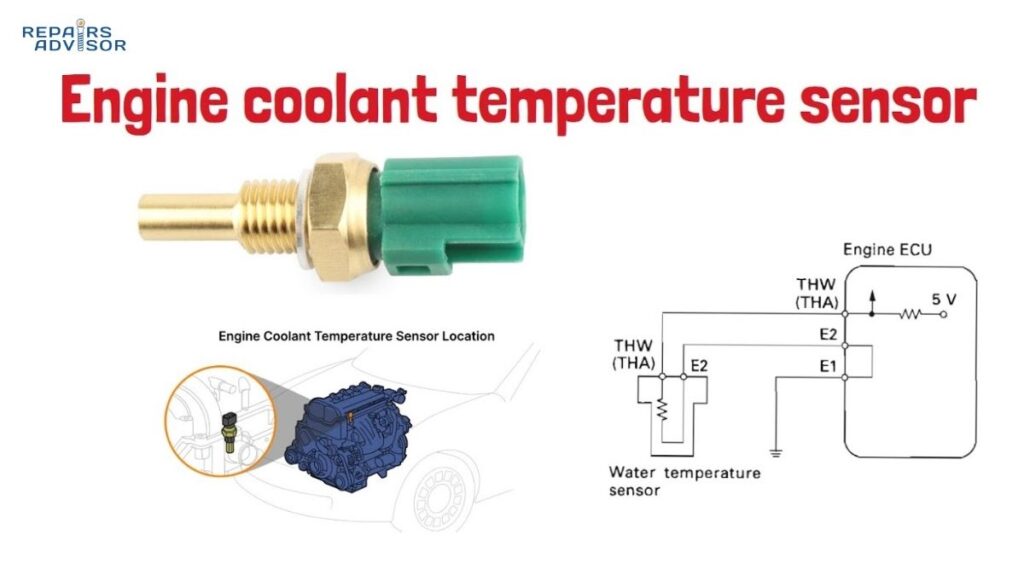
Your engine is most vulnerable in the first few minutes after a cold start — and the last thing you want on a long run is an unexpected overheating warning. The coolant temperature sensor, also called the ECT sensor (Engine Coolant Temperature) or CTS, sits near the thermostat housing doing one of the most important […]
How Oil Pressure Sensors Work: Monitoring Systems
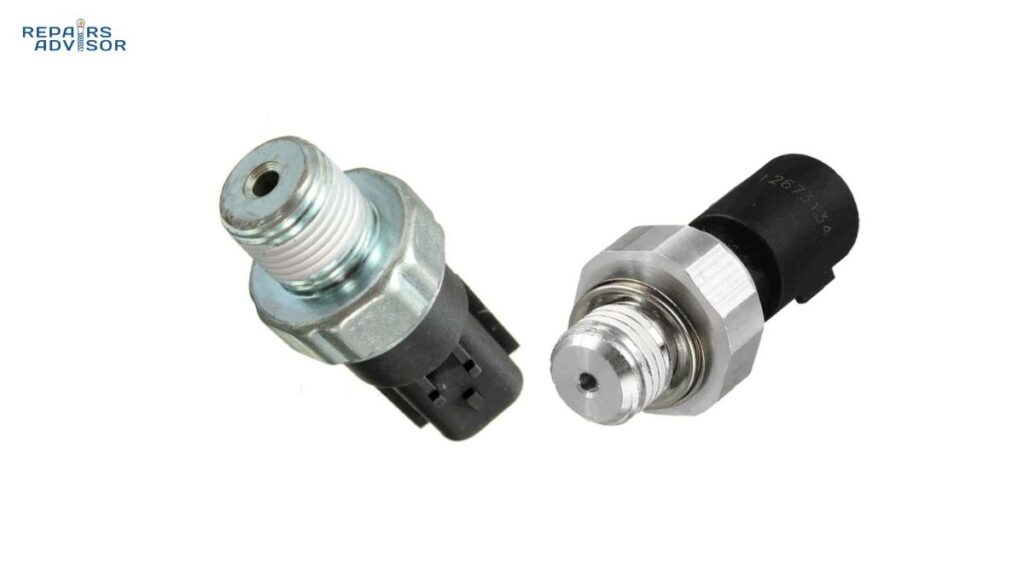
The oil pressure sensor is one of the smallest components in your engine bay and one of the most consequential. When its warning light flickers to life, the stakes are real: you could be looking at a $30 sensor swap, or the early warning of an engine lubrication failure that will cost thousands to repair. […]
How Sensor Fusion Works: ADAS Integration
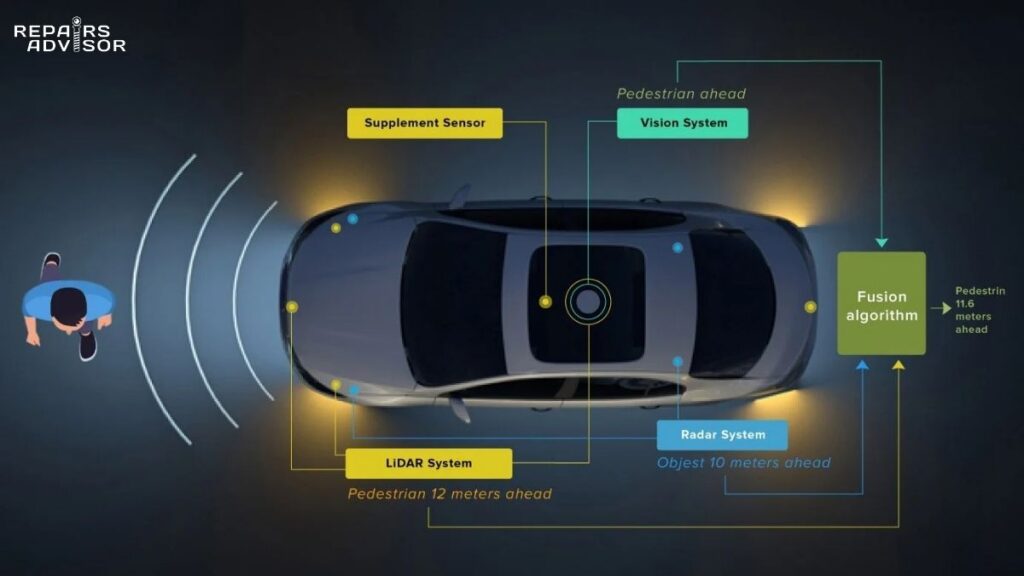
Every time your car automatically brakes before a collision, holds its lane on the highway, or warns you about a vehicle in your blind spot, sensor fusion made that decision possible. It is the invisible computational backbone of every Advanced Driver Assistance System (ADAS) feature in modern vehicles — and increasingly, the reason a seemingly […]