Every time you press the gas pedal, something has to physically tell the engine to let in more air — and on countless vehicles built before the mid-2000s, that something is a single length of braided steel cable. The accelerator cable is one of the simplest, most mechanical parts of the entire drivetrain, yet it’s also easy to overlook until it starts sticking, delaying, or wearing out. This guide covers how the cable is built, exactly how it turns pedal pressure into throttle movement, where to find it, and the warning signs that mean it’s time to inspect or replace it before a minor annoyance becomes a genuine safety issue.
Why Accelerator Cables Are Critical for Engine Performance
An accelerator cable is the flexible mechanical linkage that connects the accelerator pedal to the throttle body (or carburetor), pulling the throttle plate open in direct proportion to how far you press the pedal. That single cable is the entire connection between your right foot and how much air the engine gets — press harder, the cable pulls further, the throttle opens wider, and the engine responds.
Because the link is purely mechanical, cable condition determines exactly how responsive that connection feels. A cable with correct tension and no internal fraying delivers an immediate, predictable pedal-to-power feel, working hand-in-hand with the engine management system that reads throttle position to calculate fueling and timing. When the cable degrades, that predictability disappears.
The consequences of a failing cable range from annoying to genuinely dangerous. On the mild end, you’ll notice sluggish acceleration, engine surging or hesitation, or a pedal that feels stuck partway down and doesn’t return smoothly to idle. On the serious end, a frayed, kinked, or improperly adjusted cable can bind and prevent the throttle from closing — a stuck-open throttle is a real loss-of-control hazard, not a minor inconvenience.
Safety Note: Treat any sticking, sluggish return, or resistance in the accelerator pedal as an immediate inspection priority. Never continue driving a vehicle where the throttle doesn’t return fully and smoothly to idle every time you release the pedal.
Accelerator Cable Parts and Construction Explained
An accelerator cable assembly is simple by design: a braided steel inner wire running inside a protective outer housing, routed from the pedal assembly through the firewall to the throttle body or carburetor linkage in the engine bay.
Inner Cable (Wire Core) — A braided steel strand that transmits the pulling force from pedal to throttle. This is the part most prone to wear over time — fraying or corrosion inside the housing gradually increases friction and resistance, which is why a stiff or sticking pedal is often the first sign of trouble.
Outer Housing/Sheath — A protective conduit that guides the cable’s path from the footwell to the engine bay, reducing friction along bends and shielding the inner wire from road debris, heat, and moisture. As the housing degrades, internal friction increases, contributing directly to that “sticking pedal” feeling.
End Fittings and Barrel Adjusters — Threaded adjusters at one or both ends of the cable set its freeplay — a small amount of slack, commonly a few millimeters, so the throttle can close completely at idle without the cable holding it open even slightly.
Return Spring — Mounted at the throttle body, this spring pulls the throttle plate closed and takes up cable slack the instant you release the pedal. It’s arguably the single most safety-critical part of the whole system: a weak or broken return spring is a direct path to a throttle that won’t close.
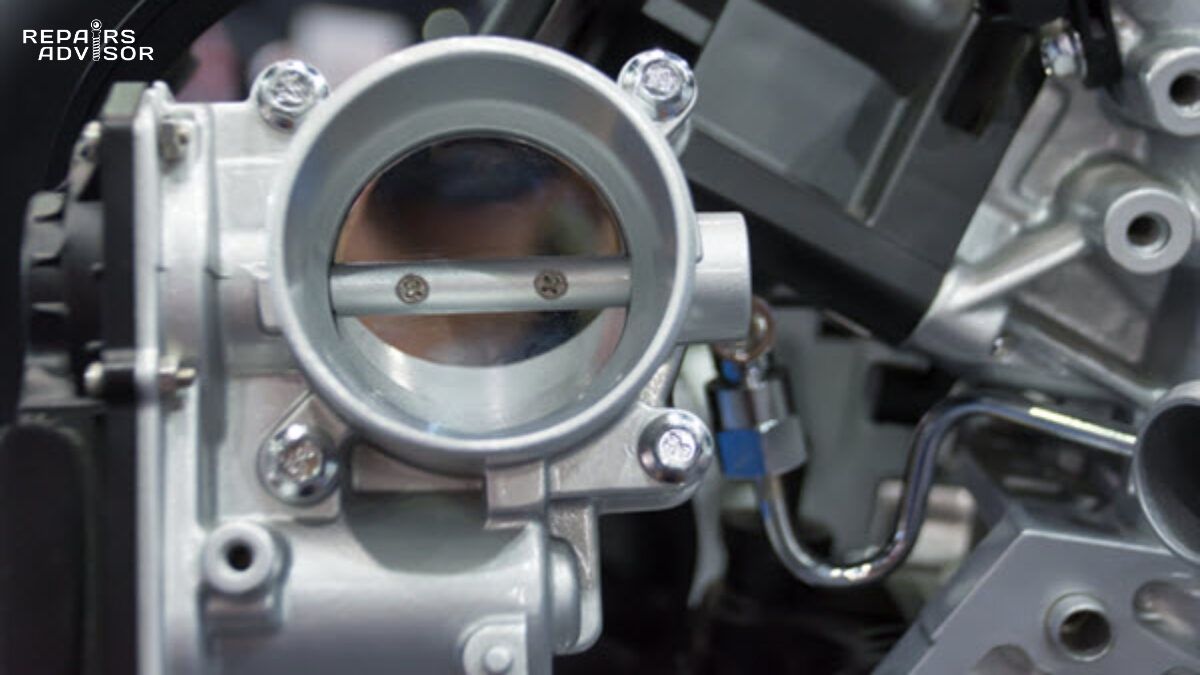
Older vehicles built before the late 1960s often used rigid mechanical linkages with pivot brackets and heim joints instead of a flexible cable; by the early 1970s, nearly every vehicle had switched to cable linkages for their easier routing and adjustment. Cable throttles remain mechanically simple and easy to service compared to drive-by-wire electronic throttle control, which eliminated the cable entirely in favor of a pedal-position sensor, ECU processing, and a motorized throttle body built around throttle position sensors rather than a physical cable. Nearly all gasoline vehicles from the last 10–15 years use drive-by-wire, but accelerator cables remain common on older and classic vehicles still on the road today.
How the Accelerator Cable Works: Step-by-Step Operation
Understanding how accelerator cables work means following that single pull of steel wire from your foot to the engine’s intake.
Step 1: Pedal Input. Pressing the accelerator pedal pulls the inner cable through its outer housing — a direct mechanical action with essentially zero electronic delay.
Step 2: Force Transmission. The braided steel cable carries that pulling force straight to the throttle linkage at the throttle body. Because the connection is entirely mechanical, response is immediate — there’s no signal processing between your foot and the throttle plate.
Step 3: Throttle Plate Opening. The cable rotates the throttle shaft, opening the throttle plate in direct proportion to pedal travel. More plate opening means more airflow into the engine, and the engine management system adjusts fuel delivery to match, increasing RPM and power.
Step 4: Return and Idle. Release the pedal, and the throttle body’s return spring immediately pulls the plate closed while retracting the cable back to its set freeplay. This ensures the throttle closes fully every time, bringing the engine back down to idle.
Step 5: Adjustment and Calibration. Barrel adjusters set the cable’s freeplay so the throttle opens completely at wide-open pedal travel and closes completely at idle. Too little freeplay risks a throttle that can’t fully close; too much creates sluggish, delayed response — getting this adjustment right is the difference between a cable that feels crisp and one that feels vague or unsafe.
Modern Contrast: Features like adaptive cruise control require the vehicle’s computer to adjust throttle position automatically, without driver pedal input — something a physical cable simply can’t do. That’s a large part of why the industry moved to electronic throttle control, even though the mechanical cable remains simpler to understand, diagnose, and service.
Accelerator Cable Location and Access Guide
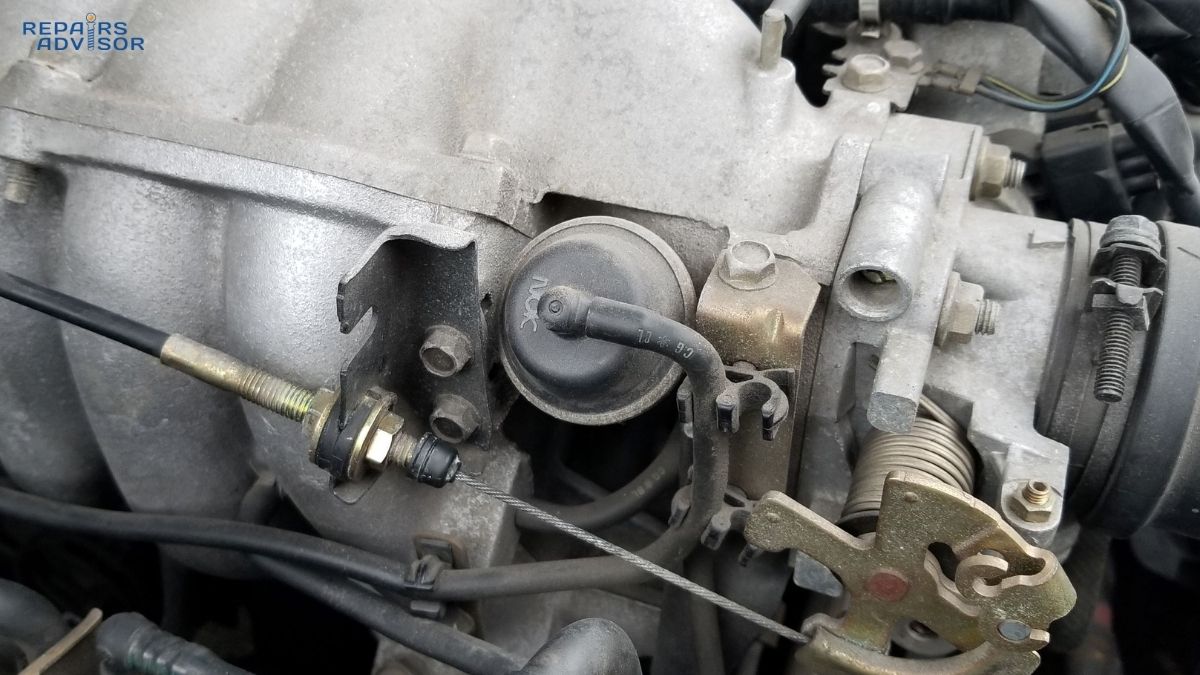
The accelerator cable runs from the pedal in the footwell, through the firewall, to the throttle body (or carburetor) at the front of the engine. Look along the top or side of the engine bay for a cable running from the firewall to a lever or pulley on the throttle body — it’s usually one of the more visible and traceable cables under the hood.
Visual Identification: A braided-look outer housing with a visible barrel adjuster near one or both ends is the giveaway. A return spring is typically visible right at the throttle-body connection point. In construction and mounting style, it closely resembles the clutch cable found on manual-transmission vehicles — both are simple steel-in-housing linkages doing a similar mechanical job.
Access Requirements: Basic inspection needs nothing more than a visual check along the cable’s visible length for fraying, kinks, or corrosion. Adjustment requires only a wrench for the locknut and barrel adjuster. Full replacement is a straightforward job — typically 30 to 60 minutes — well within reach of an owner with basic tool skills and mechanical confidence.
Vehicle Variations: Accelerator cables are common on engines built through the early-to-mid 2000s and increasingly rare on vehicles from the last 10–15 years as drive-by-wire has become the industry standard. Routing and adjustment specs vary by make and model — check brand-specific manuals such as Ford and Toyota, or the broader engine category overview and cars category for additional context.
Symptom Cross-Reference: For a fuller breakdown of early warning signs, see Signs of a Damaged Accelerator Cable: Symptoms and Solutions — catching these early is what keeps a simple adjustment from becoming a safety issue.
Safety Considerations and Professional Access: Disconnect the negative battery terminal before working near the cable and throttle body to prevent an accidental engine start. Never drive with a sticking pedal or a throttle that’s slow to return — this can progress to a stuck-open throttle, a genuine loss-of-control hazard. After any adjustment or replacement, cycle the pedal through its full range of motion and confirm the throttle closes completely every time before driving. If you have any doubt about the result, have a qualified technician verify it before the vehicle goes back on the road.
FAQ: Accelerator Cable
What does the accelerator cable actually do?
It’s the flexible mechanical linkage connecting the accelerator pedal to the throttle body (or carburetor). When you press the pedal, the cable pulls the throttle plate open in direct proportion to pedal travel, controlling how much air enters the engine — and, working with the engine management system, how much power the engine produces.
What is cable “freeplay,” and why does it matter?
Freeplay is the small amount of slack built into the cable via its barrel adjuster — enough that the throttle can close completely at idle without the cable holding it open even slightly. Too little freeplay risks a throttle that won’t fully close (a safety issue); too much creates sluggish, delayed pedal response.
What are the warning signs of a worn or failing accelerator cable?
The most common symptoms are delayed or sluggish acceleration, a pedal that feels stuck partway down or doesn’t return smoothly, engine surging or hesitation, and visible fraying, kinks, or corrosion on the cable itself. A full breakdown is available in Signs of a Damaged Accelerator Cable: Symptoms and Solutions.
What’s the difference between a cable throttle and drive-by-wire (electronic throttle control)?
A cable throttle uses a direct mechanical link between pedal and throttle body. Drive-by-wire replaces that cable with a pedal-position sensor feeding the ECU, which then commands a motorized throttle body — a system built around throttle position sensors rather than a physical cable. Nearly all gasoline vehicles from the last 10–15 years use drive-by-wire; cable throttles remain common on older and classic vehicles.
Can I adjust the accelerator cable myself?
Yes — adjustment is a beginner-friendly task requiring only a wrench for the locknut and barrel adjuster. After adjusting, always cycle the pedal through its full range of motion to confirm the throttle opens completely and returns fully to idle every time.
Is it safe to drive with a sticking or slow-to-return pedal?
No. A sticking pedal is an immediate inspection priority, not something to monitor over time. A frayed, kinked, or improperly adjusted cable can bind and prevent the throttle from closing — a stuck-open throttle causes a genuine loss of control over vehicle speed.
How difficult is it to replace an accelerator cable myself?
It’s a straightforward job — typically 30 to 60 minutes — well within reach of an owner with basic tool skills and mechanical confidence. Disconnect the negative battery terminal first to prevent an accidental engine start while you’re working near the throttle body.
Do modern cars still use accelerator cables?
Mostly no. Accelerator cables were standard through the early-to-mid 2000s but have largely been replaced by drive-by-wire electronic throttle control on vehicles from the last 10–15 years. Cables remain common on older and classic vehicles, similar in construction to the clutch cable still used on manual-transmission vehicles today.
What should I do if the throttle sticks open while driving?
Stay calm: shift to neutral if possible, apply the brakes, and steer safely to the shoulder while signaling with your hazard lights. Shut off the engine once you’ve stopped safely, and do not attempt to drive the vehicle again until the cable and throttle linkage have been inspected and repaired.
Why can’t cable-throttle vehicles support features like adaptive cruise control?
Features like adaptive cruise control require the vehicle’s computer to adjust throttle position automatically, without driver pedal input — something a physical cable simply cannot do. This is one of the main reasons the industry shifted to electronic throttle control.