Despite decades of disc brakes dominating headlines, drum brakes still do the stopping on the rear wheels of countless economy cars, compact SUVs, and trailers on the road today. They look almost primitive compared to a disc and caliper, yet the design hides a clever trick: drum brakes amplify their own clamping force as you press the pedal. That self-energizing effect is the key to understanding how they work, why automakers keep using them, and what can go wrong inside that metal drum.
Quick Answer
A drum brake uses a wheel cylinder to push curved brake shoes outward against the inside of a spinning metal drum, creating friction that slows the wheel. The design is self-energizing—rotational force wedges the shoes harder into the drum, multiplying stopping power from a smaller hydraulic piston than a disc brake would need. Drum brakes remain common on rear axles because they’re inexpensive, long-wearing, and double easily as a parking brake, though they run hotter and adjust differently than disc brakes.
What Are Drum Brakes?
A drum brake is a braking system built around a hollow, cylindrical drum that bolts to the wheel hub and rotates with the wheel. Inside that drum sit two curved brake shoes lined with friction material. When you press the brake pedal, those shoes press outward against the inner wall of the drum, and the resulting friction converts your vehicle’s momentum into heat, slowing it down. It’s a fundamentally different geometry than disc brakes, which clamp a flat rotor from the outside using a caliper and pads.
Drum brakes aren’t a relic from a single era—they’ve been part of automotive history since the very early 1900s, with early versions appearing on cars before 1902, and the design has been refined continuously ever since. Most passenger-car drum brakes today use a layout engineers call duo-servo, where both shoes share the load and reinforce each other’s grip, though older and some heavy-duty designs use a simpler leading-trailing arrangement where only one shoe benefits from the self-energizing effect. Today you’ll find drum brakes most often on the rear axle of budget-focused and mid-size vehicles, on utility trailers, and tucked inside the hat of a rear disc rotor as a dedicated parking brake mechanism on some performance and luxury cars.
Why Manufacturers Still Use Drum Brakes
It comes down to a straightforward cost and durability calculation. Drum brakes are cheaper to manufacture than a caliper-and-rotor assembly, and because the brake shoes spread contact across a larger friction surface than a typical brake pad, they tend to wear more slowly. The enclosed design also makes it simple to build a mechanical parking brake right into the same shoes and drum, eliminating the need for a separate caliper-mounted parking mechanism. Since the rear axle of most front-wheel-drive cars does noticeably less braking work than the front, manufacturers can use the less heat-tolerant drum design out back without sacrificing much real-world stopping performance.
Drum Brake Components Explained
Pop off a brake drum for the first time and the inside can look like a tangle of springs and levers. Each piece, though, has a specific job. The core components are the drum itself, a pair of brake shoes (often called the leading and trailing shoe), a wheel cylinder, return springs, hold-down springs and pins, a star-wheel adjuster, and the backing plate that anchors everything to the axle. On many rear-disc vehicles, a separate small parking-brake lever and strut are riveted to the shoes as well.
The Wheel Cylinder and Hydraulic Actuation
The wheel cylinder is the drum brake’s equivalent of a caliper piston. It contains one or two small pistons that move outward when pressurized brake fluid arrives from the master cylinder, pushing the tops of the brake shoes apart. Because the wheel cylinder only has to start the shoes moving—rather than supply the entire clamping force, as a disc caliper piston does—it can be considerably smaller than you’d expect. The fluid itself matters here too: degraded or moisture-contaminated brake fluid can leave the wheel cylinder prone to internal corrosion and slow piston movement, which shows up as sluggish or uneven braking at that wheel.
Springs, Adjusters, and Hardware Kits
Return springs pull the brake shoes back away from the drum the instant you release the pedal, preventing constant drag. Hold-down springs and pins keep the shoes centered against the backing plate without restricting their outward travel. The star-wheel adjuster sits between the bottom (or top, depending on design) of the two shoes and gradually expands as the linings wear, maintaining a consistent, small clearance between shoe and drum. Most shops replace all of this hardware—springs, pins, and adjuster—as a kit whenever they replace brake shoes, since worn springs are a common source of the noise and uneven wear problems covered later in this guide.
How Drum Brakes Work: The Self-Energizing Effect
Pressing the brake pedal starts a chain reaction. The pedal pushes a rod into the master cylinder, generating hydraulic pressure that travels through the brake lines to the wheel cylinder at each drum-equipped wheel. Inside the wheel cylinder, pistons move outward and push the tops of the two brake shoes apart. The shoes’ friction linings make contact with the spinning drum, and that contact is where drum brakes diverge from a simple disc setup.
Most automotive drum brakes use what’s called duo-servo geometry. As the drum rotates against the now-contacting “leading” shoe, friction tries to drag that shoe along with the drum’s rotation. Instead of just sliding, the leading shoe is mechanically linked—through the adjuster strut—to the “trailing” shoe behind it, and the dragging force pushes the trailing shoe harder into the drum as well. This wedging action is the self-energizing effect: rotational force from the drum itself increases the clamping pressure beyond what the wheel cylinder alone generated. The practical benefit is that drum brakes can produce strong stopping force from a smaller, less powerful hydraulic piston than an equivalent disc brake would need—one reason the design has stuck around for so long despite disc brakes’ other advantages.
Drum Brakes vs. Disc Brakes: Key Differences
The most consequential difference between the two designs is heat management. A disc rotor is exposed to open air on both faces, so airflow continuously carries heat away during hard or repeated braking. A drum brake’s friction surface is sealed inside a metal housing, which traps heat and can lead to brake fade—a temporary loss of stopping power—under sustained heavy use like a long downhill descent. This is the main reason disc brakes took over the front axle decades ago, where most of a vehicle’s braking work and heat generation happens.
Water and debris sensitivity is the second major distinction. An open disc rotor sheds water almost like a squeegee as the pads wipe across it; an enclosed drum can trap water and even mud, temporarily reducing friction until it evaporates or gets flung clear. On the flip side, that same enclosed design protects the friction material from road grit, which is part of why drum brake shoes often outlast a comparable set of brake pads. The friction material itself plays into this balance too—differences in pad and lining compounds affect how brake pad and rotor tribology works across both brake types, including how each compound responds to heat and how quickly it transfers a thin film onto the mating surface.
The Self-Adjusting Mechanism and Parking Brake Integration
One reason drum brakes have a reputation for “set it and forget it” maintenance is the self-adjusting mechanism built into most modern designs. As the linings wear and the gap between shoe and drum grows slightly, an adjuster lever connected to the star-wheel adjuster catches a new tooth each time you brake while the vehicle is moving in reverse, ratcheting the adjuster outward and taking up the slack. Drive in reverse and brake a few times after new shoes go in, and the adjuster typically dials itself in without any tools.
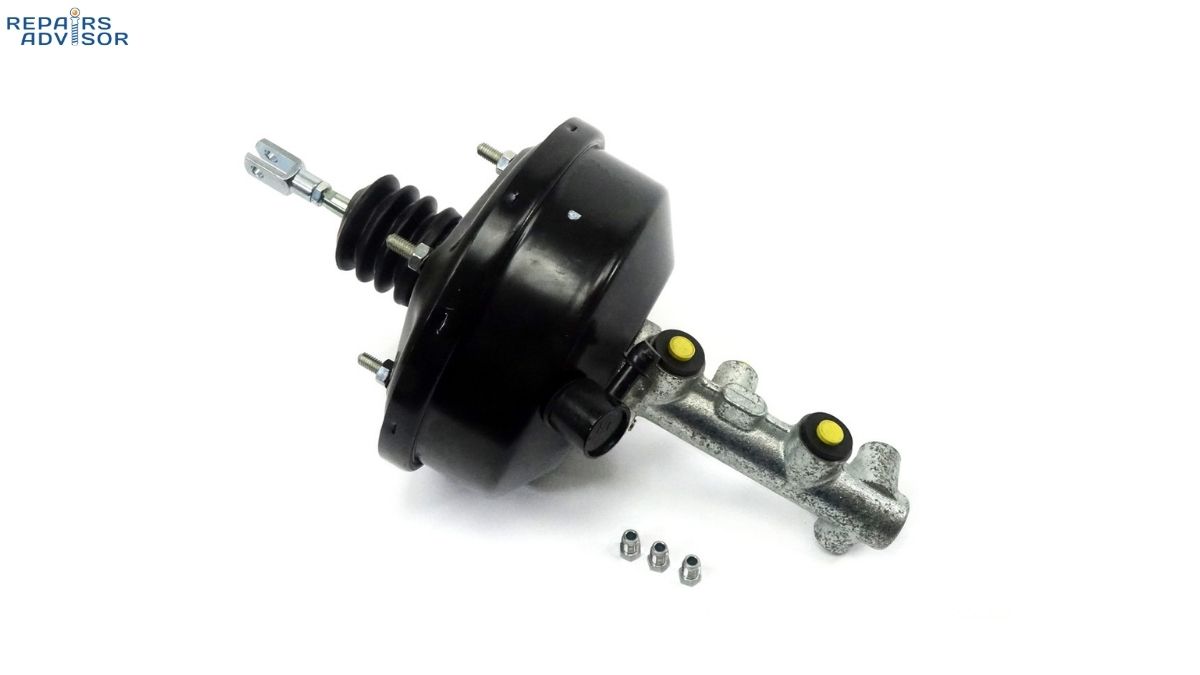
That said, manual adjustment is sometimes still necessary—if a vehicle rarely backs up under braking, if the adjuster mechanism has corroded or jammed, or on cable-actuated parking brake systems that don’t share the same automatic adjustment as the service brake. Speaking of which, many rear-disc vehicles still use a drum-style parking brake hidden inside the “hat” of the rear rotor: a miniature drum surface machined into the rotor itself, with its own small shoes, springs, and lever actuated by the parking brake cable. This drum-in-hat arrangement borrows the same self-energizing principle on a smaller scale, which is part of why drum-based parking brakes tend to hold a vehicle on a hill more confidently than a caliper-only parking mechanism. For more on how the cable and lever side of that system operates, see how parking brake systems work. The hydraulic side of the service brake, meanwhile, gets its assist from the brake booster, which multiplies your pedal effort before it ever reaches the wheel cylinder.
Common Drum Brake Problems and Symptoms
Most drum brake complaints fall into a handful of recognizable patterns. A loud grinding or scraping noise usually means the friction lining has worn through completely, letting the shoe’s metal backing contact the drum directly—at that point, the drum itself may already be damaged and need resurfacing or replacement. Squealing, by contrast, is often something less serious: dust and debris inside the drum, glazed linings from sustained heat, or simply a lack of lubrication at the points where the shoe contacts the backing plate. Paying attention to when the noise happens helps narrow things down—a squeal that’s constant, even with your foot off the pedal, usually points to a drum rubbing against the backing plate or a bent component rather than the linings themselves, while noise that only appears under braking is more likely tied to the friction material.
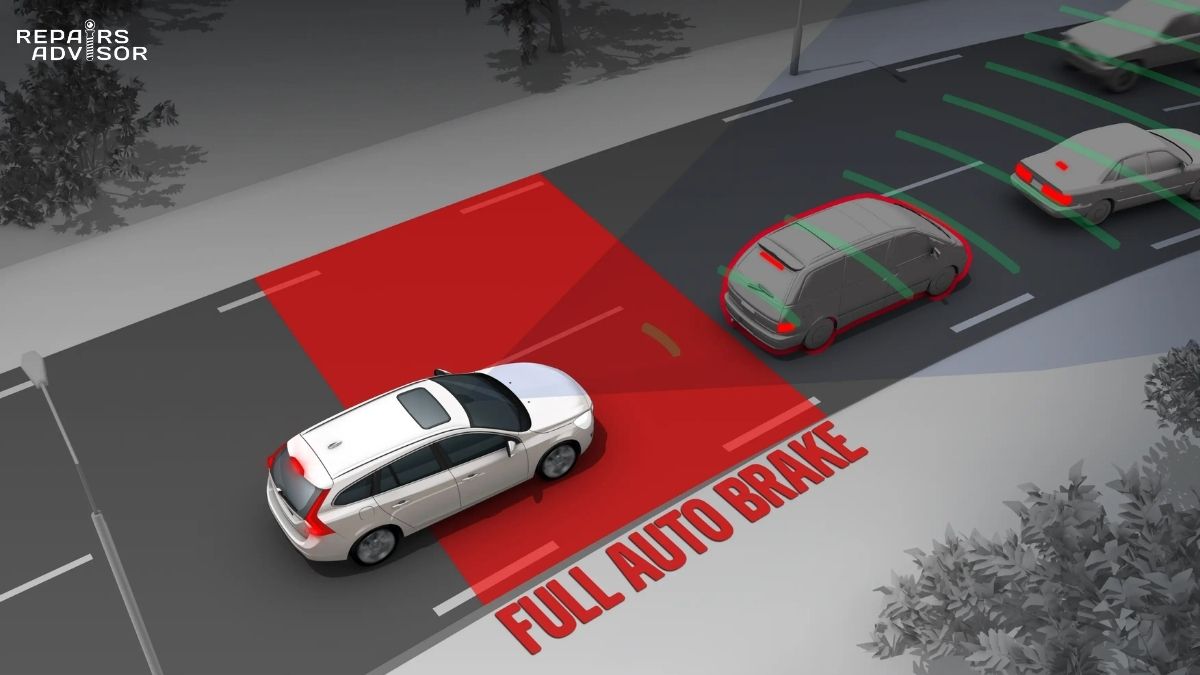
A vehicle pulling to one side under braking can point to uneven shoe wear or a wheel cylinder that’s sticking on one side, applying more force to one wheel than the other; because drum brakes typically share the rear axle with the front brakes through the hydraulic system, persistent pulling is also worth checking against how brake proportioning valves work to balance front-to-rear force. A soft or sinking brake pedal, on the other hand, almost always traces back to the hydraulic system rather than the drum hardware itself—air in the lines or a fluid leak at the wheel cylinder, master cylinder, or a brake hose. Finally, a parking brake that no longer holds firmly on a hill is frequently just worn linings or a stretched, under-adjusted cable rather than a failure of the drum itself. If a drum-equipped wheel starts behaving erratically during hard braking, it’s also worth knowing that how ABS systems work depends on consistent wheel-speed data, so a dragging or sticking drum brake can occasionally trigger ABS intervention that masks the underlying mechanical issue.
Drum Brake Inspection and Maintenance Standards
Every brake drum has a maximum allowable inside diameter—and every set of shoes has a minimum lining thickness—stamped or cast directly onto the part. These numbers vary considerably by vehicle and drum size, so there’s no single universal spec to memorize; always check your vehicle’s service manual or the markings on the drum itself rather than assuming a number from a different make or model applies. As a general point of reference, drums are commonly machined or worn up to roughly 0.060–0.090 inch over their original nominal diameter before they’re considered unsafe to use, and any drum found to be out-of-round during inspection should be replaced rather than reused.
Because drum brakes and brake pads wear at different rates depending on driving style and vehicle weight distribution, it’s worth checking drum brake linings on a separate inspection schedule rather than assuming they match front pad wear exactly—our guide on how often you should replace brake pads covers the front-axle side of that comparison in more detail. Whenever a drum comes off for inspection, it’s also a good moment to confirm the wheel lug nuts and any backing-plate fasteners are torqued to your vehicle’s specification once everything goes back together, since under- or over-torqued hardware can introduce vibration or noise that mimics a brake problem. If your inspection or service also involves opening up the hydraulic system—say, after a wheel cylinder replacement—you’ll need to remove trapped air afterward, which is covered step by step in our guide to how to bleed your brakes.
Safety Considerations When Servicing Drum Brakes
Drum brakes carry two safety hazards that aren’t obvious from the outside, and both deserve real respect before you ever pull a drum off. The first is spring tension. Return springs and hold-down springs store meaningful mechanical force, and trying to remove or install them with improvised tools like standard pliers or a screwdriver is a genuine way to get hurt—there are documented cases of mechanics suffering serious eye injuries when a spring released unexpectedly during removal. Dedicated brake spring pliers and a brake spring tool are inexpensive and specifically designed to control that force safely; combined with safety glasses, they make spring work routine instead of risky.
The second hazard is dust. Older brake linings—and some replacement parts even today—may contain asbestos, and you cannot tell by looking at a shoe whether it’s asbestos-free. Per OSHA and EPA guidance for brake and clutch service, the dust that accumulates inside a drum should never be blown out with compressed air or swept with a dry brush, since that’s exactly how fibers become airborne and inhalable. The recommended approach is to thoroughly wet the drum, backing plate, and surrounding area with water or an amended-water spray before disassembly, or to use a HEPA-filtered vacuum system, so dust stays captured rather than dispersed into the shop air.
Beyond those two specific hazards, standard shop safety still applies in full: support the vehicle on rated jack stands rather than a jack alone, wear gloves when handling sharp drum edges or worn shoe hardware, and work in a ventilated area if you’re using any aerosol brake cleaner. Don’t rely on a single point of support while shoes and drums are off the vehicle. Given the spring tension and dust considerations together, drum brake service sits at a moderate DIY difficulty level—manageable for an experienced do-it-yourselfer with the right tools, but a job where first-timers should strongly consider having a professional handle it or at least inspect the completed work before the vehicle goes back on the road.
DIY vs. Professional Drum Brake Service
Cost estimates for drum brake service vary widely depending on the vehicle, region, and whether the wheel cylinders or drums themselves need replacing alongside the shoes, so treat any number you see online as a rough starting point rather than a guarantee. Doing the work yourself mainly saves on labor, since the parts themselves—shoes, springs, and an adjuster kit—are relatively inexpensive on most vehicles. For an experienced DIYer working on a single axle, budget roughly one to two hours per wheel once the vehicle is safely supported, with extra time if a wheel cylinder also needs replacing or the drum is reluctant to slide off the hub.
On the tool side, plan on a brake spring tool or pliers, a drum micrometer or caliper to check wear specs, a torque wrench for the wheel and backing-plate fasteners, and access to your vehicle’s service manual for the exact adjustment procedure, since that step differs meaningfully between manufacturers. If you have any of your vehicle’s repair documentation from Ford or Toyota, for example, the torque and adjustment specifications for drum hardware are typically listed alongside the rest of the brake section rather than buried in a generic appendix—worth pulling up before you start, regardless of which brand you’re working on.
There are a few situations where it makes sense to stop and hand the job to a professional rather than push through: a drum that’s badly rusted or seized onto the hub, a friction surface that’s visibly scored, cracked, or out-of-round, or any sign that the wheel cylinder has been leaking long enough to contaminate the linings. None of those are emergencies you need to solve yourself, and a shop with the right pullers and resurfacing equipment can usually resolve them faster and more safely than continued attempts with hand tools.
Conclusion
Drum brakes earn their long history honestly—the self-energizing duo-servo design turns a small hydraulic input into meaningful stopping force, and the enclosed package happens to make a convenient, durable parking brake almost for free. Understanding the components, the self-adjusting mechanism, and the handful of common failure symptoms gives you a real head start whether you’re diagnosing a noise or planning a shoe replacement. Just keep the spring tension and dust precautions front and center, lean on your vehicle’s specific service manual for exact specs, and don’t hesitate to bring in a professional when a drum or wheel cylinder shows damage beyond normal wear. If you’re tracking down repair documentation for your specific vehicle, our full car repair manual catalog is a good next stop.
Drum Brake FAQ: Common Questions Answered
Drum brakes raise a different set of questions than disc brakes do—mostly because the moving parts are hidden behind a metal drum instead of visible through the wheel spokes. The questions below cover how the self-adjusting mechanism works, what the most common noises and symptoms actually mean, and what to know before attempting drum brake service yourself.
Quick Answer
Most drum brakes adjust themselves automatically as the linings wear, so manual adjustment is rarely needed unless the vehicle is driven mostly forward without backing up. Grinding usually means the linings are worn through, while squealing is more often debris or a lack of lubrication at the backing plate. Shoe replacement is a moderate-difficulty DIY job for experienced mechanics, but spring tension and brake dust make it a poor first-time project without the right tools.
What is a drum brake and how does it work?
A drum brake uses a wheel cylinder to push two curved brake shoes outward against the inside of a rotating metal drum. The friction between the shoes and the drum slows the wheel, and the design is self-energizing—rotational force from the drum itself wedges the shoes harder against it, multiplying the stopping force beyond what the wheel cylinder alone provides. For a full breakdown of the components and the duo-servo geometry behind that effect, see our complete guide to how drum brakes work.
Why do some cars still use drum brakes instead of disc brakes?
Cost and durability are the main reasons. Drum brakes are cheaper to manufacture, their shoes typically wear more slowly than disc pads thanks to a larger friction surface, and the enclosed design makes it easy to integrate a mechanical parking brake without extra hardware. Since rear wheels generally do less braking work than the front, manufacturers can use drums out back without giving up much real-world stopping performance. Disc brakes still win on heat dissipation, which is why they dominate front axles where most braking heat is generated.
Are drum brakes self-adjusting, or do I need to adjust them manually?
Most modern drum brakes include a star-wheel adjuster that ratchets outward automatically, typically triggered when you brake while backing up. Driving in reverse and braking lightly a few times after new shoes go in is usually enough to set the clearance correctly. Manual adjustment becomes necessary if the vehicle rarely reverses under braking, if the adjuster has corroded or jammed, or on parking-brake cable systems that don’t share the service brake’s automatic adjustment.
How often should drum brake linings be inspected or replaced?
There’s no single mileage figure that applies to every vehicle, since wear depends on driving style, vehicle weight, and how often the rear brakes are used relative to the front. It’s worth checking drum linings on their own inspection schedule rather than assuming they wear at the same rate as front brake pads—our guide on how often you should replace brake pads covers the front-axle comparison in more detail. Watch for grinding, pulling, or a parking brake that no longer holds firmly as practical signs it’s time for a closer look.
Why are my drum brakes grinding or squealing?
Grinding almost always means the friction lining has worn through to the shoe’s metal backing, which is now contacting the drum directly—at that point the drum may need resurfacing or replacement along with the shoes. Squealing is usually less serious and often traces back to dust, debris, or a lack of lubrication at the points where the shoe touches the backing plate. A squeal that happens even with your foot off the pedal points toward a rubbing component rather than the linings themselves.
Why is my parking brake not holding like it used to?
This is typically worn parking-brake linings or a stretched, under-adjusted cable rather than a deeper failure of the drum hardware. On rear-disc vehicles, the parking brake often uses its own small drum-in-hat mechanism inside the rotor, separate from the main brake pads—see how parking brake systems work for more on how that cable-and-shoe setup operates. If the service brakes also feel off at the same time, it’s worth checking front-to-rear balance through how brake proportioning valves work.
Is replacing drum brake shoes a safe DIY project?
It’s a manageable job for an experienced DIYer with the correct tools, but it’s not an ideal first automotive repair. The return and hold-down springs store real mechanical force, and removing them with improvised tools instead of dedicated brake spring pliers is a common way people get hurt, including eye injuries. Older linings may also contain asbestos dust, which should only be cleaned with water or a HEPA vacuum—never compressed air or a dry brush. First-timers should strongly consider professional service or at least a professional check afterward.
How much does drum brake service typically cost?
Costs vary widely depending on the vehicle, region, and whether the drums or wheel cylinders need replacing along with the shoes, so any number you see online is a rough starting point rather than a guarantee. DIY mainly saves on labor, since shoes, springs, and an adjuster kit are relatively inexpensive parts on most vehicles. If you’re working from your vehicle’s own service documentation, brake adjustment specs and torque values are usually listed in the brake section—our brake bleeding guide covers the related hydraulic steps if a wheel cylinder is part of the job.