Lane departure warning is one of the most widely fitted safety technologies in modern vehicles, yet most drivers have only a vague idea of what it actually does — or why it sometimes stops doing it. The system uses a forward-facing camera to continuously monitor lane markings on the road ahead, triggering audible, visual, or physical alerts whenever the vehicle drifts across a lane boundary without a turn signal being active. Understanding how lane departure warning (LDW) works, where it falls short, and what keeps it functioning correctly can make you a better-informed driver and help you catch problems before they matter on a fast road.
Quick Answer
Lane departure warning uses a forward-facing camera — typically mounted behind the rearview mirror — to detect lane markings and alert the driver when the vehicle drifts out of its lane without signalling. Warnings can be audible (chime or buzzer), visual (dashboard icon or mirror flash), or haptic (steering wheel or seat vibration). LDW is a passive system: it warns but does not steer. It will not function correctly if the windshield interior is dirty, if lane markings are faded or obscured by weather, or if the system has lost calibration after a windshield replacement or front-end repair — both of which require professional ADAS recalibration.
Why Lane Departure Warning Is Critical for Advanced Driver Safety
Unintentional lane departures are among the deadliest crash types on the road. In the United States alone, nearly 13,000 people died in a single year from single-vehicle run-off-road, head-on, and sideswipe crashes where a passenger vehicle left its lane without intent. Lane departure warning was developed specifically to address these three crash modes — the ones most likely to involve distracted or drowsy drivers who have no idea they are drifting.
Research from the Insurance Institute for Highway Safety (IIHS) found that vehicles equipped with LDW had involvement rates in relevant crash types that were 11 percent lower across all severities, and 21 percent lower for injury crashes — even after adjusting for driver demographics. That is a meaningful reduction from a system that only warns and never touches the steering wheel. For the roughly one-third of lane-drift crashes where the driver is physically impaired — asleep, suffering a medical event, or incapacitated by alcohol — a sharp audible alert can be enough to prevent a fatality.
LDW also works alongside other safety technologies. Modern vehicles integrate LDW camera data with electronic stability control, automatic emergency braking, and adaptive cruise control as part of a layered safety architecture. Understanding LDW as one component in that system — rather than a standalone fix — is important for setting realistic expectations about what the technology can and cannot do.
How Lane Departure Warning Works: The Vision Processing Pipeline
The core of any LDW system is a forward-facing camera and the image processing algorithms that interpret its feed in real time. The process happens continuously, many times per second, and must handle highly variable lighting, weather, and road surface conditions.
Camera Placement and Lane Detection
The camera is almost always mounted on the interior of the windshield, near the base of the rearview mirror housing. This position gives it an unobstructed view of the road ahead while protecting the lens from direct weather exposure. The camera captures a continuous video feed and passes it to a dedicated image processor — often integrated into the ADAS control module — which applies edge-detection algorithms to identify the painted lane markings on either side of the vehicle.
Detection relies on identifying the contrast between lane marking paint and the road surface. Techniques like the Canny edge detector and Hough transform are commonly used to extract line shapes from the camera image and track their position relative to the vehicle’s travel path. When both lane lines are clearly visible, the system can precisely calculate how close the vehicle is to each boundary and how its trajectory is trending. When only one line is detected — common on rural roads — the system may still provide one-sided warnings, though accuracy is reduced.
Understanding what the camera actually sees explains many of LDW’s limitations. Automotive cameras handle a wide dynamic range, but extreme contrast situations — bright sunlight directly into the lens, tunnel exits, or heavy shadows across lane markings — can degrade detection. The system responds by deactivating temporarily rather than generating unreliable warnings, which is the correct behaviour.
Departure Detection Logic
Detecting that a lane line exists is only half the problem. The system must also determine whether the vehicle is drifting unintentionally or making a deliberate lane change. LDW resolves this primarily through turn signal integration: if the indicator is active on the side being approached, no warning is issued. This suppression logic is universal across all manufacturers.
Beyond the turn signal check, the system continuously calculates the vehicle’s time-to-line crossing — how many seconds remain before the tyre contacts the lane marking based on current trajectory and speed. When this value drops below a manufacturer-set threshold (typically 0.5–1.5 seconds), the warning triggers. The system also reads vehicle speed via the CAN bus and will not activate below a minimum threshold — usually around 60–70 km/h — to avoid nuisance alerts in low-speed urban traffic where frequent lane straddling is normal.
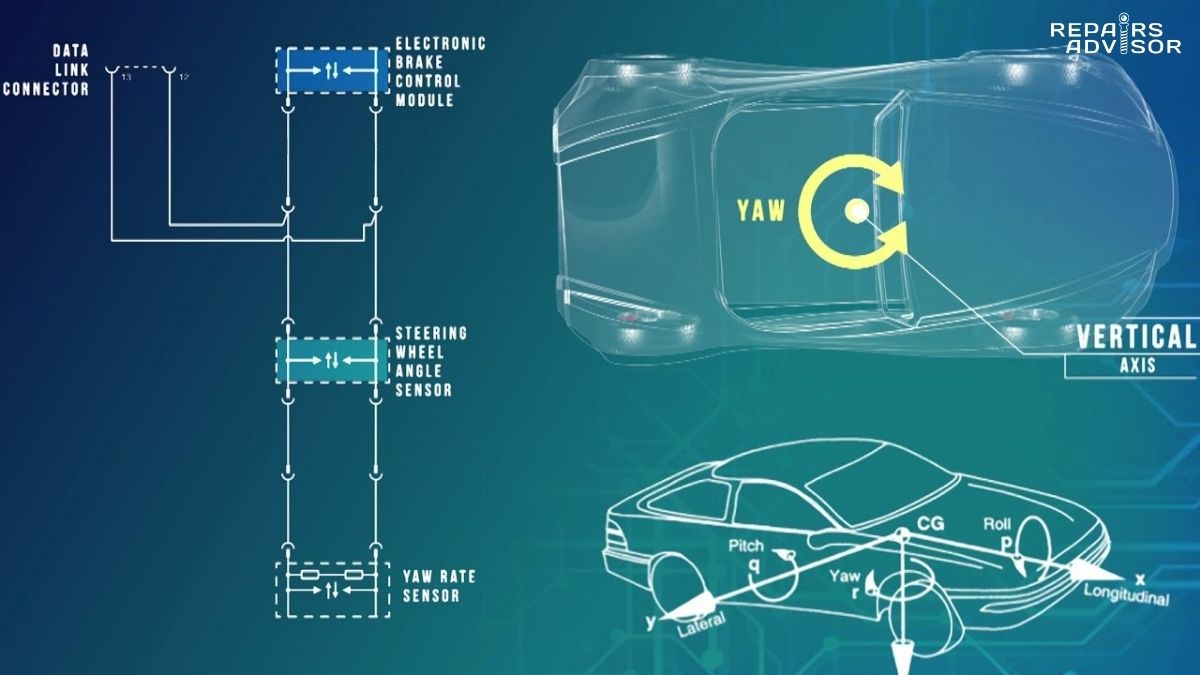
Advanced implementations factor in steering wheel torque and yaw rate data to distinguish between intentional manoeuvres and passive drift. If the driver is applying active steering input toward the lane boundary, some systems suppress the warning. This is where sensor fusion in ADAS systems becomes relevant: combining camera, steering, speed, and inertial data produces a far more reliable departure assessment than camera vision alone.
Warning Output Types
Once the departure threshold is reached, the system delivers warnings through up to three channels — and most modern vehicles use a combination of all three.
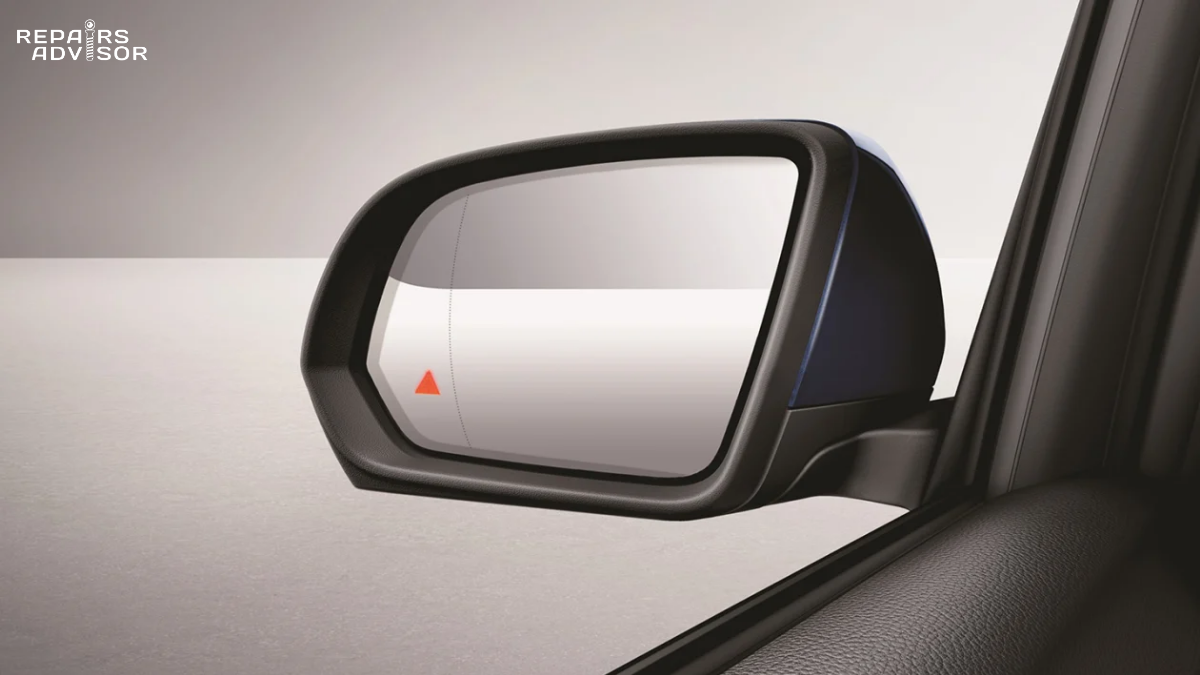
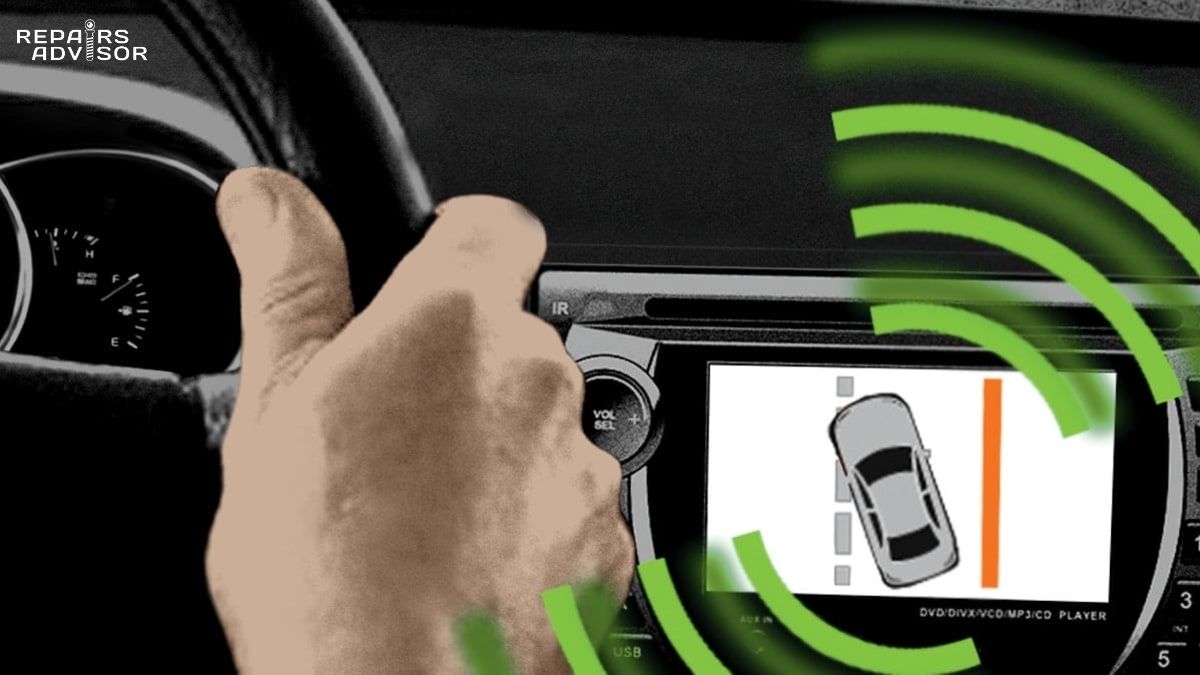
Visual warnings typically involve the lane departure icon on the instrument cluster changing colour (green to amber, or white to amber/red), often combined with flashing indicators in the side mirror housing closest to the detected boundary. Some vehicles show a visual lane overlay in the instrument cluster or head-up display.
Audible warnings range from single chimes to repeated beeps, or a rumble-strip simulation tone designed to mimic the tactile sensation of driving over physical road edge markers — an instinctive alert that is particularly effective for drowsy driver detection.
Haptic warnings deliver vibration through the steering wheel or, on some platforms, through one side of the driver’s seat — left seat pad for left departure, right seat pad for right departure. Steering wheel vibration is especially effective because it cannot be missed even with loud audio playing.
Most LDW systems are active by default on every engine start and can be deactivated through the infotainment menu or a dedicated dashboard button, often labelled with an icon showing a car crossing a line. Where sensitivity settings exist, they adjust the time-to-line threshold that triggers alerts.
LDW vs. Lane Keeping Assist vs. Lane Centering: Key Differences
LDW is frequently confused with lane keeping assist (LKA) and lane centering assistance (LCA), and manufacturers often use proprietary names that blur the distinctions further. Honda’s “Road Departure Mitigation” is LKA. Subaru’s “EyeSight Lane Keep Assist” is also LKA. Toyota’s “Lane Departure Alert” is LDW, while “Lane Tracing Assist” is lane centering. Understanding what each system actually does is the only reliable way to know what your vehicle will and won’t do when you drift.
| System | Type | Action |
|---|---|---|
| Lane Departure Warning (LDW) | Passive | Warns driver only — no vehicle control |
| Lane Keeping Assist (LKA) | Active (reactive) | Brief EPS torque correction when drifting detected |
| Lane Centering Assistance (LCA) | Active (continuous) | Continuous steering to maintain lane centre |
Lane departure warning is purely passive. It detects and warns, then leaves the response entirely to the driver. The steering and brakes are not affected in any way. If the driver does not react, the car will cross the line.
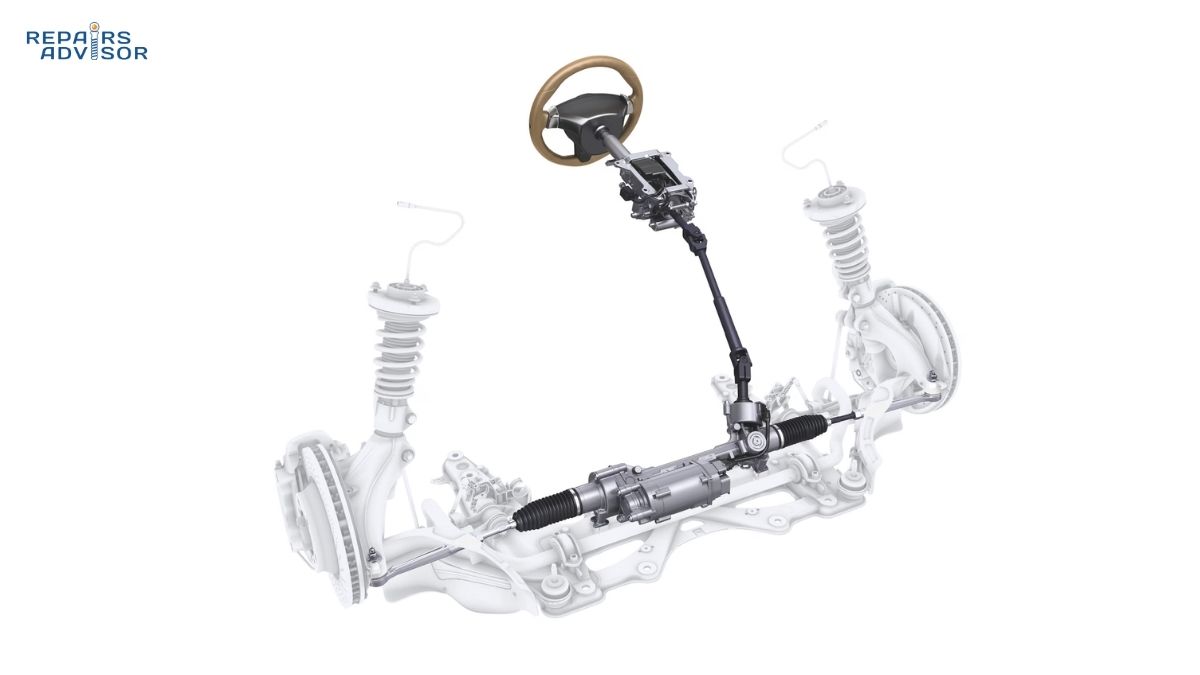
Lane keeping assist adds an actuator to the warning. When drift is detected, it applies a brief torque overlay through the electric power steering motor to nudge the vehicle back toward lane centre. This is a reactive, one-shot correction — not continuous steering guidance. Importantly, LKA is not designed to maintain lane position on its own: a driver who removes their hands entirely from the wheel will find that LKA attempts corrections but eventually generates a “ping-pong” effect across the lane.
Lane centering assistance provides continuous steering input to keep the vehicle centred between both detected lane boundaries. It is most effective on motorways with clearly marked lanes and is almost always paired with adaptive cruise control as part of a highway driving assist package.
In ADAS terminology, LDW is a Level 0 feature (no automation), LKA is Level 1 (driver assistance), and LCA approaches Level 2 (partial automation). Higher levels require more complex sensor integration and more rigorous calibration requirements.
Common Reasons Lane Departure Warning Stops Working
LDW failures split into four categories: environmental limitations, camera fouling, calibration loss, and module or software faults. Most everyday issues fall into the first two and have practical solutions.
Environmental and Road Conditions
When the LDW camera cannot see clearly marked lane boundaries, the system deactivates rather than guessing — which is the correct behaviour. The instrument cluster icon turns white or grey, indicating “temporarily unavailable” rather than a system fault. Common triggers include:
- Faded lane markings on older roads or in construction zones with conflicting temporary markings
- Rain, snow, or ice covering painted lines — AAA research suggests inclement weather reduces lane-keeping system effectiveness by up to 40 percent
- Heavy fog or spray that reduces contrast between markings and road surface
- Direct sun glare into the camera lens at dawn or dusk
- Transitions from marked to unmarked road sections, or lanes that are too narrow or too wide for the system’s calibrated range
None of these situations indicate a fault. If the icon returns to its normal active state once conditions improve, the system is working as designed.
Camera and Sensor Fouling
The most common cause of persistent LDW malfunction — and one of the easiest to fix — is a dirty windshield interior directly in front of the camera. Road dust, tobacco smoke residue, and condensation film can all coat the inside of the glass and scatter the camera’s field of view enough to degrade lane detection. Cleaning the interior glass with a microfibre cloth and a quality glass cleaner will often restore system function immediately. Always use non-abrasive materials: scratching the glass in the camera’s field of view can permanently affect image quality.
On the exterior side, mud, ice, or frost on the windshield section in front of the camera lens blocks the view just as effectively. Automotive camera systems cannot filter through physical obstructions. Before winter driving, ensure the defroster has fully cleared the camera zone — not just the driver’s immediate sight lines.
A cracked or stone-chipped windshield near the camera mounting point is a less obvious culprit. Even minor internal cracks can refract the camera’s view enough to degrade lane detection accuracy. If LDW began malfunctioning after windshield damage, the glass itself is a likely cause.
Calibration Loss
ADAS cameras are precision instruments. Their image processing algorithms operate from a known camera position — its exact angle relative to the vehicle’s centreline, its height above the road surface, and its alignment with the vehicle’s steering geometry. When any of these parameters change, lane detection calculations become inaccurate, leading to missed warnings, false alarms, or complete system deactivation.
Windshield replacement is the most common cause of calibration loss. When the glass is removed, the camera is dismounted from the old windshield and remounted on the new one. Even a fraction of a degree of positional difference from the original factory alignment affects system accuracy. IIHS research found that a camera misalignment of as little as 0.6 degrees could cut automatic emergency braking reaction time in half — the same sensitivity applies to LDW lane detection. ADAS recalibration after windshield replacement is a mandatory safety procedure, not an optional add-on.
Other events that require recalibration include: front-end collision repairs (even minor ones that shift bumper or bonnet geometry), suspension modifications that alter ride height, and wheel alignment adjustments on platforms where the ADAS camera calibration references thrust angle. Steering angle sensor recalibration is often performed alongside ADAS camera recalibration after front-end repairs, since both systems share geometric reference data.
Calibration is performed using either static methods — large calibration boards positioned at precise distances from the vehicle in a controlled workshop environment — or dynamic methods where the system self-calibrates during a test drive at speed. Both require manufacturer-specified equipment and software. ADAS recalibration is a professional procedure; it cannot be performed through visual inspection or general workshop tools, and a software reset alone will not correct a physically misaligned camera.
Software and Module Faults
When environmental causes and camera fouling have been ruled out, persistent LDW faults generally point to software or hardware issues. ECU software updates — available through franchised dealers — can resolve communication glitches between the camera module and the ADAS control unit. This is worth exploring on vehicles where the system stopped functioning after a battery disconnection, as some modules require a re-initialisation sequence following a power loss.
If the ADAS warning light remains on permanently and pressing the LDW activation button produces no response, the module may have failed internally or a wiring fault has developed between the camera and the control unit. Diagnosing this requires a scan tool capable of reading ADAS-specific diagnostic trouble codes — standard OBD readers used for engine fault codes do not have visibility into ADAS module faults on most platforms. A franchised dealer or specialist ADAS workshop is the appropriate resource for diagnosis and repair.
What Lane Departure Warning Cannot Do
Accurate expectations matter. Drivers who over-rely on LDW create their own risk by misunderstanding the system’s scope.
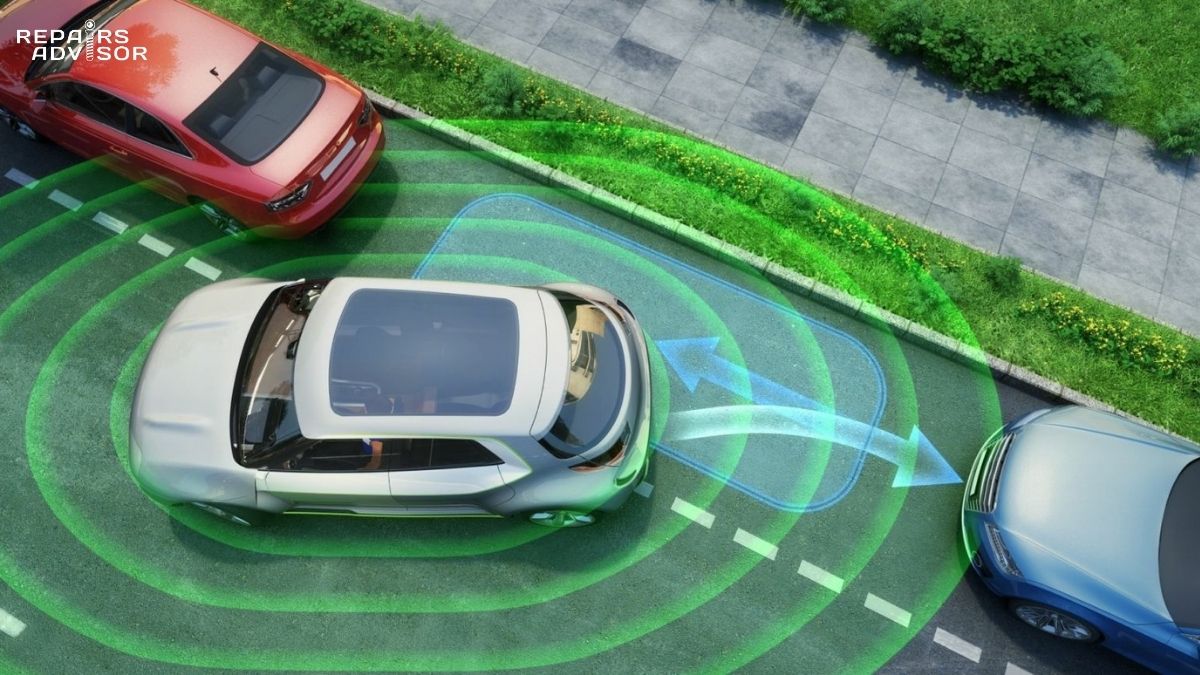
LDW does not prevent lane departures — it only informs the driver that one is occurring. If the driver is unconscious, asleep, or simply ignores the warning, the vehicle continues on its trajectory unchanged. Blind spot monitoring systems address a different threat — adjacent vehicle detection — but neither LDW nor blind spot monitoring takes physical control of the vehicle.
LDW does not detect curbs, road edges, unpainted shoulders, or barriers. It works only with painted lane markings. On an unmarked rural road, the system has no reference points and is essentially inactive. Similarly, the minimum speed threshold — typically 55–70 km/h depending on manufacturer — means the system is off during low-speed urban driving, where frequent lane straddling would generate continuous nuisance alerts.
Very sharp curves and hairpin bends can confuse the lane detection algorithm because the rate of lane curvature exceeds what the system is calibrated to track. Complex intersections with multiple overlapping lane markings can also generate ambiguous detection results. LDW is optimised for motorway and dual carriageway driving — the highest-risk environment for fatigue-related lane departures — rather than complex urban geometry.
The bottom line: LDW is a supplementary safety net, not a substitute for attentive driving. Both hands on the wheel and both eyes on the road remain the most effective lane departure prevention available.
Keeping Your LDW System in Good Working Order
Most LDW reliability issues are preventable with straightforward habits. Calibration and module faults need professional attention, but the most common causes are genuinely within the owner’s control.
Clean the inside of the windshield regularly, paying close attention to the area immediately in front of the camera. A thin film of interior dust is often invisible to the eye but enough to degrade lane detection. Use a quality glass cleaner and a clean microfibre cloth; avoid abrasive materials anywhere in the camera zone.
After any windshield replacement, confirm with the workshop that ADAS recalibration was completed before driving at motorway speeds. Not all glass replacement shops include this step. An uncalibrated LDW camera will often reveal itself on a straight motorway section through false warnings on gentle curves or an absence of warnings on genuine drift events. Keep in mind that automatic emergency braking shares the same forward-facing camera — an uncalibrated LDW means uncalibrated AEB as well.
After any front-end collision repair, request explicit confirmation that an ADAS calibration check was included. Many insurers now require it as part of approved repair procedures, but it is worth confirming regardless.
If the LDW warning light remains illuminated outside of known environmental conditions, arrange a diagnostic scan at a workshop with ADAS fault code capability. Early diagnosis of a failing camera or module typically results in a less expensive repair than waiting for complete system failure.
LDW in the Broader ADAS Ecosystem
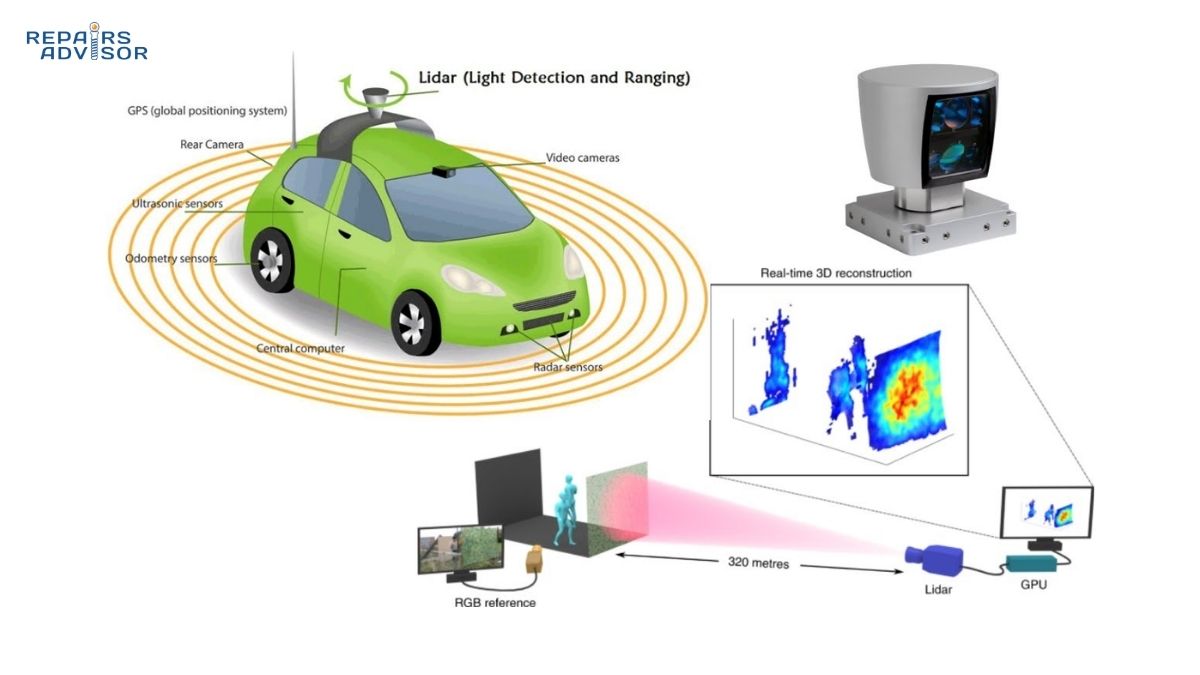
Lane departure warning rarely operates in isolation on modern vehicles. The forward-facing camera that drives LDW simultaneously feeds data to forward collision warning, automatic emergency braking, traffic sign recognition, and high beam assist. This shared architecture is why windshield replacement and camera recalibration affect so many vehicle systems at once — it is one sensor serving multiple functions.
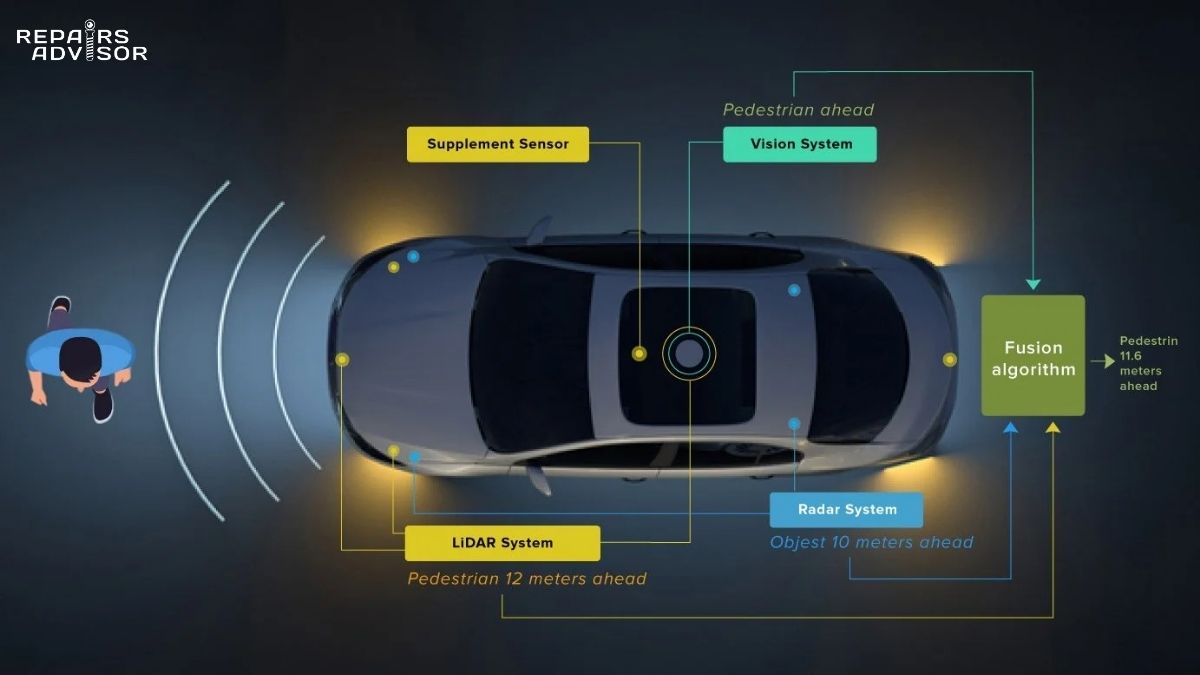
At the integration level, LDW and LKA systems use data from additional sensors to refine their behaviour. Yaw rate sensors provide real-time vehicle rotation data that helps distinguish intentional cornering from unintended drift. The ADAS sensor fusion module combines camera, radar, and inertial data into a unified picture of vehicle state — more reliable than any single sensor working alone. On vehicles with LKA, the electric power steering control unit receives torque correction commands directly from the ADAS module, creating a direct dependency between driver assistance software and the vehicle’s active steering hardware.
The broader trajectory of the technology points toward LDW being progressively replaced by lane centering assistance in new vehicle platforms, with LDW retained as a fallback for conditions where full lane centering cannot operate reliably. As camera resolution improves and software becomes more robust in rain and low-light conditions, the environmental gaps that currently limit LDW effectiveness will continue to narrow — making an already useful safety system progressively more reliable.
Conclusion
Lane departure warning is a well-proven passive safety system that uses camera-based vision processing to alert drivers when their vehicle drifts across lane boundaries without signalling. It reduces relevant crash types by measurable margins, is active by default on most modern vehicles, and costs nothing to use effectively — provided the camera has a clear view, lane markings are visible, and the system has been properly calibrated after any windshield or front-end work.
The two most common failure causes are a dirty windshield interior and calibration loss after repairs. Both are preventable. Recalibration after windshield replacement requires professional equipment and is not a step that can be skipped or handled by visual inspection. If your LDW system is behaving erratically after any repair work, have a qualified technician with ADAS diagnostic capability assess the system before relying on it at motorway speeds.
Lane Departure Warning: Frequently Asked Questions
Lane departure warning (LDW) is one of the most common advanced driver assistance features in modern vehicles — and also one of the most misunderstood. Drivers regularly ask why the system triggers at unexpected moments, whether it works in bad weather, and what separates it from the half-dozen similarly named technologies. These answers cover the questions that come up most often.
Quick Answer
Lane departure warning uses a forward-facing windshield camera to detect lane markings and alert the driver — via chime, dashboard light, or vibration — when the vehicle drifts across a lane boundary without a turn signal. It is a passive warning system only: it does not steer, brake, or take any vehicle control. Common issues include a dirty windshield blocking the camera, faded lane markings reducing detection, and calibration loss after windshield replacement — each with its own remedy.
What does lane departure warning actually do?
Lane departure warning monitors the vehicle’s position relative to painted lane markings using a forward-facing camera, then alerts the driver when the vehicle begins crossing those markings without a turn signal being active. The alert can be audible (a chime or buzzer), visual (a flashing icon in the instrument cluster or door mirror), haptic (vibration in the steering wheel or driver’s seat), or a combination of all three. The system does not steer or brake — it is purely informational, designed to prompt a driver response rather than substitute for one. For a full technical breakdown of how the vision processing works, see our guide on how lane departure warning works.
Is lane departure warning the same as lane keeping assist?
No — and the confusion is understandable given how similar the names sound. Lane departure warning is passive: it warns but does not act. Lane keeping assist (LKA) takes the next step by applying a brief steering correction through the electric power steering motor when unintended drift is detected, nudging the vehicle back toward lane centre. A third system, lane centering assistance, provides continuous steering input to keep the vehicle centred between both lane boundaries — most commonly paired with adaptive cruise control for motorway use. Many manufacturers add proprietary names on top (Honda calls its LKA system “Road Departure Mitigation,” for example), so checking your owner’s manual for the exact capability fitted to your vehicle is always worthwhile.
Why does my lane departure warning keep going off when I haven’t drifted?
Unexpected or false alerts usually have one of three causes. Road conditions are the most common: construction zones with overlapping temporary and permanent markings, narrow lanes, or unusual marking patterns can confuse the camera’s detection algorithm into registering a departure that isn’t happening. Driving position is another factor — if you regularly sit toward one side of the lane to give cyclists or oncoming lorries extra room, the system may read this as an unintended drift. The third cause is a dirty windshield interior: a film of dust or condensation directly in front of the camera reduces image contrast and can produce spurious alerts. Cleaning the inside of the glass in the camera zone — a microfibre cloth and glass cleaner, no abrasives — fixes this immediately in many cases. If false alerts continue on roads with clear, well-maintained markings, an ADAS calibration check is the appropriate next step.
Does lane departure warning work in rain, fog, or at night?
Performance varies significantly by condition. In light rain, most modern LDW systems function adequately, though with reduced accuracy. In heavy rain at night, research has found that camera-based LDW system effectiveness can drop to near zero for typical lane-marking installations, because wet pavement severely reduces the retroreflectivity contrast the camera relies on. In fog, heavy spray, or snow-covered roads, the system will generally deactivate itself rather than guess — the dashboard icon turns white or grey. At night on well-lit roads with bright lane markings, most systems perform comparably to daytime. The practical picture: LDW is most reliable in dry daylight conditions and progressively less dependable as weather and visibility worsen. It should not be treated as a reliable safety net in adverse conditions.
What minimum speed does lane departure warning require?
Most LDW systems activate only above a minimum speed threshold — typically 55–70 km/h (around 35–45 mph), though this varies by manufacturer. Below that threshold, the system deactivates automatically to avoid nuisance alerts in low-speed urban environments where frequent lane changes and tight manoeuvres are normal. The system re-engages automatically once the vehicle exceeds the activation speed. Some vehicles allow the threshold to be adjusted through the driver settings menu; your owner’s manual will confirm whether yours does.
Why did my lane departure warning stop working after a windshield replacement?
This is one of the most frequently encountered LDW faults, and it has a specific cause. The forward-facing camera is mounted to the windshield glass, so when the windshield is replaced, the camera is dismounted from the old glass and reinstalled on the new one. Even a fraction of a degree of positional difference from the original factory alignment throws off the lane detection algorithm, because the system calculates lane position from a precisely known camera angle. The fix is ADAS recalibration — a professional procedure using specialised calibration equipment and software to restore the camera to manufacturer specifications. It cannot be done by visual inspection or a software reset alone. It is also worth knowing that the same camera typically feeds automatic emergency braking and forward collision warning simultaneously, so an uncalibrated camera means multiple safety systems are compromised at once, not just LDW.
Can I turn lane departure warning off, and should I?
Yes — virtually all vehicles allow LDW to be deactivated through the infotainment settings menu or a dedicated button on the steering column or dashboard (usually marked with a car-crossing-line icon). On most vehicles the system resets to its default active state when the engine is next started, though some allow a persistent preference to be saved. Whether to turn it off depends on context. In situations that generate frequent false positives — construction zones with confusing markings, narrow rural roads where you intentionally position toward the edge — temporarily disabling it is reasonable. For regular motorway driving, leaving it on makes statistical sense: IIHS research found LDW reduces relevant crash types by 11 percent and injury crashes in those categories by 21 percent. The safety benefit only applies when the system is active during the driving scenarios it was designed for.
Does lane departure warning detect road edges and curbs?
No. The camera looks for the contrast signature of painted lane markings — white or yellow lines against a darker road surface. Curbs, grass verges, gravel shoulders, Armco barriers, and unmarked road edges are not detected. This matters for drivers who assume the system will warn them when approaching the edge of a narrow road or a car park deck. On roads without painted lane markings — many rural and country roads — the system has no reference points and cannot function. The dashboard icon will show as unavailable rather than indicating false safety. Parking assist systems, which use ultrasonic sensors for low-speed proximity detection, handle the close-quarters scenarios that LDW cannot.