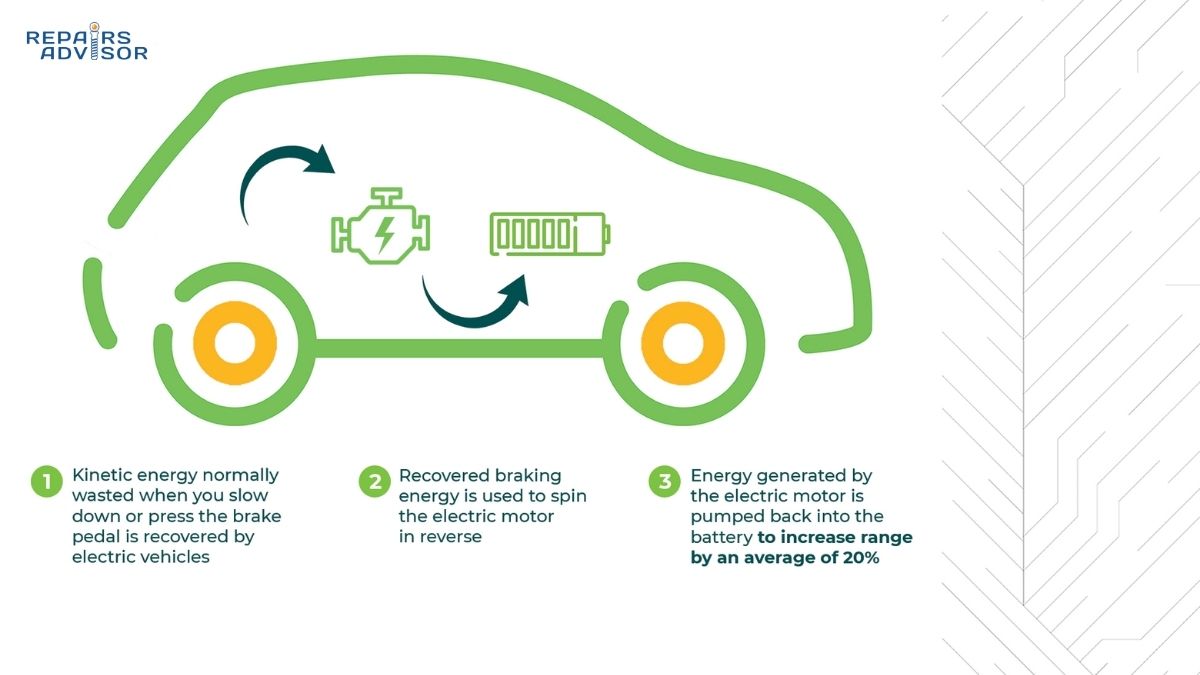
Every time a conventional car brakes, the energy that accelerated it to speed is thrown away as heat through the brake pads and rotors. It works, but it is fundamentally wasteful — kinetic energy converted to heat and gone. Regenerative braking flips that equation. In electric and hybrid vehicles, the motor that drives the wheels can also run in reverse, acting as a generator to convert the energy of motion back into electricity and return it to the battery. The result is a braking system that does two jobs at once: slowing the vehicle and recovering energy that would otherwise disappear as heat. For anyone driving an EV or hybrid — or considering one — understanding how regenerative braking actually works helps you drive more efficiently, maintain your brakes correctly, and know when something is wrong.
Quick Answer
Regenerative braking works by reversing the electric motor’s role during deceleration: instead of consuming electricity to drive the wheels, the motor is driven by the wheels and generates electricity that charges the high-voltage battery. Modern EVs and hybrids blend regenerative braking with conventional hydraulic friction brakes, using regen for the majority of everyday slowing and friction brakes for hard stops, low-speed creep, and emergencies. Under favourable conditions, regenerative braking can recover 60–70% of kinetic energy that would otherwise be wasted as heat. Brake pads last significantly longer on EVs — often 80,000–150,000+ miles — but annual brake inspections remain important because infrequent friction brake use accelerates rotor corrosion.
The Core Mechanism: How the Motor Becomes a Generator
To understand regenerative braking, it helps to first understand what an electric motor does during normal operation. The traction motor converts electrical energy from the high-voltage battery into rotational mechanical energy — it draws current, spins, and drives the wheels. The physics that makes this possible also works in reverse. When the motor is driven mechanically — when the wheels spin the motor shaft rather than the motor spinning the wheels — it generates electrical current rather than consuming it.
This is the same principle that governs how an alternator charges a 12V battery in a conventional vehicle. The engine spins the alternator, which generates electricity. In an EV, the same relationship exists between the wheels and the traction motor. When you lift off the accelerator or press the brake pedal lightly, the vehicle’s control system switches the motor from drive mode to generator mode. The spinning wheels now drive the motor shaft, the motor resists that rotation electromagnetically, and that resistance produces current that flows back toward the battery.
The electromagnetic resistance is what actually slows the vehicle. There is no friction involved at this stage — the deceleration force comes from the motor fighting against being spun. The harder the motor is made to resist, the stronger the braking force and the more current is generated. This is why higher regenerative braking settings — the kind that enable one-pedal driving — feel more aggressive when you lift off the throttle. The motor is applying stronger resistance to produce more current recovery.
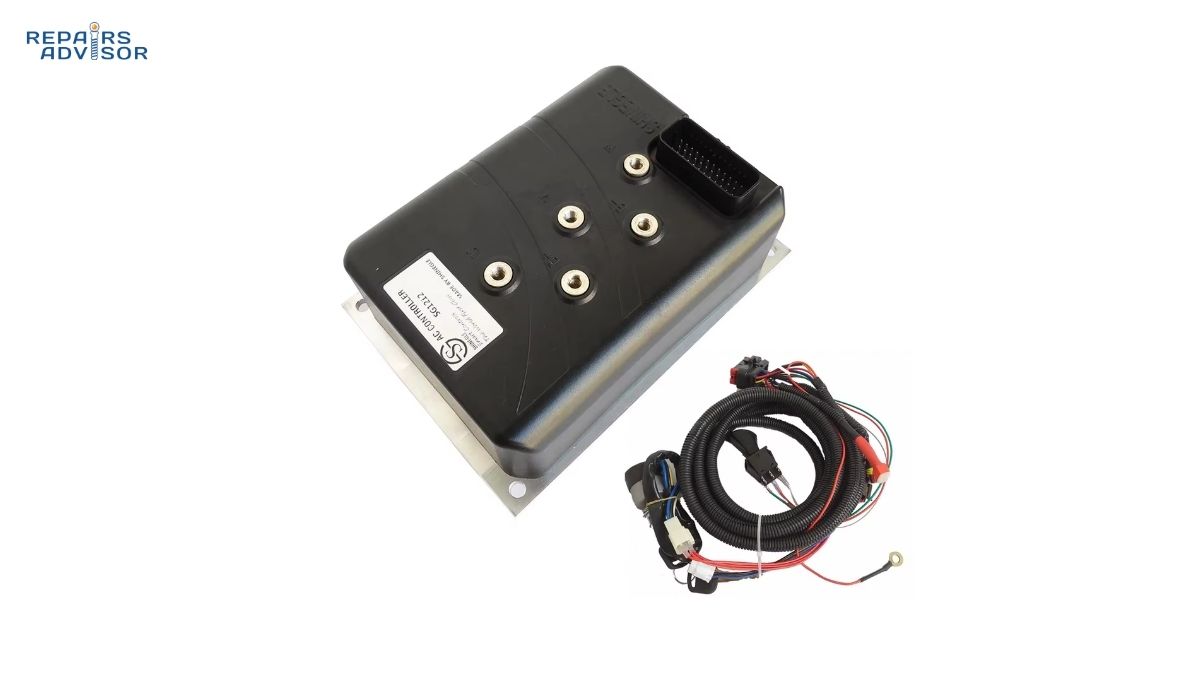
All of the power electronics that manage motor direction, current, and switching are coordinated by the electric motor controller (also called the inverter). During regen, the inverter converts the AC current produced by the motor into DC current the battery can accept. It also manages the transition between propulsion and generation seamlessly — in a well-engineered system, this transition is invisible to the driver.
Blended Braking: How Regen and Friction Work Together
Regenerative braking is powerful, but it cannot do everything. At very high deceleration rates — emergency stops, hard braking from highway speeds — the regen system cannot provide sufficient force on its own. The motor can only absorb and generate current at a limited rate; beyond that limit, you need friction to make up the difference. Additionally, at very low speeds (typically below 5–10 km/h), regenerative braking loses effectiveness as the motor has little energy to recover from the slowly rotating wheels.
There are also conditions where regen is automatically reduced or disabled regardless of speed: when the battery is fully charged and cannot accept more current, when battery temperature is too low for efficient charging, and when ABS or traction control detects wheel slip and needs precise braking control that regen alone cannot provide as cleanly.
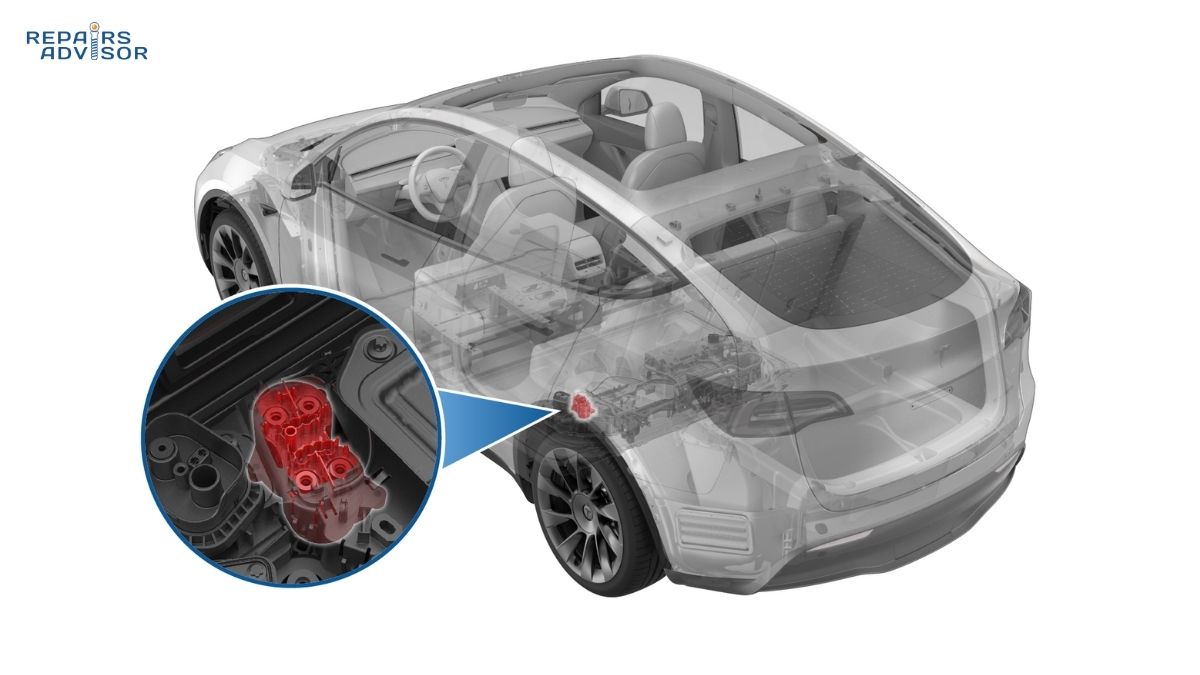
This is why every EV and hybrid also retains a full conventional hydraulic braking system. Understanding how brake-by-wire systems work clarifies the coordination: a brake-by-wire setup uses an electronic actuator (often called an IBooster or electrohydraulic unit) to modulate hydraulic brake pressure independently of the driver’s direct mechanical input. When you press the brake pedal in a modern EV, the system reads your deceleration request, applies as much regenerative braking as conditions allow, and then fills in the remaining braking force required with hydraulic pressure to the calipers. The driver feels one consistent pedal — the system manages the split invisibly.
The computing that orchestrates this blending draws on several sensors simultaneously: brake pedal position and force, vehicle speed, battery state of charge, battery temperature, wheel speed sensors, and road condition inputs from stability control. ABS systems retain authority over both regen and friction brakes — if a wheel starts to lock during regenerative braking, the ABS module reduces regen torque just as it would pulse hydraulic pressure in a conventional system.
Early hybrid vehicles (particularly pre-2015 models) had noticeable inconsistencies in pedal feel as the system transitioned between regen and friction braking. Modern systems have largely solved this through more sophisticated blending algorithms and faster actuator response, to the point where most drivers transitioning from conventional vehicles report only minor differences in brake feel.
Regenerative Braking Modes: One-Pedal, B-Mode, and Standard Coasting
Most EVs and modern hybrids offer the driver some degree of control over how aggressively the regenerative braking system operates. These settings are worth understanding because they affect both driving feel and how efficiently the system recovers energy.
One-Pedal Driving
One-pedal driving is the strongest regenerative braking setting available in most EVs. When activated, lifting off the accelerator triggers aggressive motor resistance — enough, in most driving conditions, to bring the vehicle to a complete stop without touching the brake pedal. The driver modulates speed using only the accelerator: press for more speed, release for deceleration. Brake pedal use is reserved for situations requiring additional stopping force or for fine low-speed positioning.
One-pedal driving is available on vehicles including Tesla models, Nissan Leaf, Hyundai IONIQ 5 and IONIQ 6, Chevrolet Bolt, and most current generation BEVs. Research from Eindhoven University of Technology found that one-pedal driving improved overall energy efficiency by approximately 2–9% compared to blended braking depending on the driving scenario — though some real-world tests show minimal difference, since modern blended systems are quite good at prioritising regen before engaging friction.
B-Mode and Low-Mode Regen
Many vehicles offer a selectable high-regen mode via the gear selector (B or L position) or steering wheel paddles. Unlike one-pedal driving which operates constantly, B-mode is often driver-activated for specific situations — descending long hills, navigating heavy city traffic, or driving in conditions where frequent deceleration is expected.
B-mode is particularly useful on long descents because it allows the motor to absorb energy continuously, reducing the heat load on the friction brakes. One important limitation: if the battery reaches full charge during a descent, regenerative braking is automatically curtailed because the battery cannot accept more energy. In this situation, the system falls back entirely to friction brakes — a relevant consideration on long mountain passes, where it is worth planning charge state before the descent begins.
Standard and Coasting Mode
Standard drive mode on many EVs applies light regen when the accelerator is released — enough to provide mild engine-braking feel but not enough to significantly decelerate the vehicle. Some vehicles also offer a true coasting mode where regen is minimal, allowing the vehicle to coast almost like a conventional automatic transmission in neutral. Energy recovery is lowest in this mode, but some drivers prefer the feel, and some research suggests coasting can be beneficial on certain road segments where constant speed is maintained.
Energy Efficiency: What the Real Numbers Look Like
Regenerative braking is often described loosely as “recovering energy” without much precision about what that actually means in practice. The numbers are more nuanced than marketing language typically suggests, and understanding the real efficiency picture helps drivers set realistic expectations and develop habits that maximise the benefit.
Under favourable moderate-deceleration conditions, modern regenerative braking systems recover approximately 60–70% of the kinetic energy that would otherwise be wasted as heat. This figure drops significantly in less favourable conditions. At very low speeds or slow creep, recovery efficiency is closer to 48% because the motor and inverter struggle to convert small amounts of energy cleanly.
At the other extreme, hard emergency braking at high speeds produces lower recovery percentages because the system can only absorb energy at a fixed maximum rate — once braking demand exceeds that rate, the friction brakes take over and the energy above that threshold becomes heat anyway.
The urban/highway split matters significantly. City driving, with its frequent stops and accelerations, benefits the most: research estimates approximately 14% of driving energy is returned to the battery through regenerative braking in city conditions. On motorways with smooth, consistent speeds, that figure drops to around 3% — there is simply less braking happening. This is why EV range ratings often show better real-world numbers for city driving than highway driving, which is the reverse of what ICE vehicle owners typically experience.
Smooth, anticipatory driving consistently produces better regen results than reactive late braking. Gradual deceleration from a greater distance gives the motor more time to absorb energy and generate current before the friction brakes need to supplement. Hard, sudden braking demands more total braking force than regen can provide, triggering the hydraulic system and wasting energy as heat. Driving style has a meaningful impact on both range and brake component longevity.
The HV battery thermal management system plays a critical role in regen efficiency that many drivers overlook. A cold battery — particularly in temperatures below 10°C — has reduced capacity to accept regenerative charge quickly. Some vehicles automatically reduce regen strength in cold conditions to protect battery chemistry, which can cause unexpected changes in brake feel until the battery warms up. Similarly, a battery at 100% state of charge cannot accept additional energy, disabling regen until charge drops. For optimal regen performance, the system works best when the battery is between roughly 20–80% state of charge and at normal operating temperature.
What Regenerative Braking Means for Brake Maintenance
One of the most practical consequences of regenerative braking for EV and hybrid owners is its effect on brake system wear — and the maintenance approach that follows from that. The story is genuinely good news in one dimension, and requires more attention in another dimension that is less often discussed.
Extended Brake Pad and Rotor Life
Because regen handles the majority of everyday deceleration in stop-and-go driving, the friction brakes — pads pressing against rotors — are engaged far less frequently than on an equivalent petrol or diesel vehicle. On a conventional vehicle, brake pads typically need replacement every 30,000–60,000 miles depending on driving conditions and habits. On EVs with strong regenerative braking and regular one-pedal driving use, brake pad life of 80,000–150,000+ miles is commonly reported by owners, and some EV drivers report never needing a pad replacement at all within the vehicle’s ownership period.
Understanding how brake pads and rotors work reveals why this extended life makes sense. The friction process that wears pads — pad compound against rotor surface under hydraulic clamping pressure — simply occurs far less often when the motor is doing most of the slowing. Less friction means less heat cycling, less abrasive wear of the pad compound, and significantly less brake dust.
The Corrosion Problem
The same infrequent use that extends pad life creates a different problem: corrosion. On a conventional vehicle, the rotors are scrubbed clean by the brake pads on every stop. Surface rust that forms overnight or after rain is wiped away during the first few braking events of the day. On an EV, particularly one where the driver primarily uses one-pedal driving, the friction brakes may not fully engage for days at a time in normal use.
Surface rust accumulates faster in these conditions. In wet climates, salty environments, or vehicles that sit unused for extended periods, rotor rust can progress from surface discolouration to pitting. Pitted rotors create uneven brake pad contact, can cause judder and vibration under braking, and may require replacement even if the pad thickness is perfectly adequate. Calipers can also develop sticking slides from infrequent movement, leading to brake drag, uneven pad wear, and in severe cases, a caliper that fails to release properly.
This is why the maintenance guidance for EV brakes is different from simply “they last longer, worry less.” The maintenance interval changes, but the need for regular inspection does not. An annual brake inspection remains important — checking pad thickness, rotor surface condition, caliper slide pins, and hydraulic hose condition — even if the pads themselves look almost new.
Practical Maintenance Recommendations
Several simple habits help EV and hybrid owners maintain their disc brake systems in good condition despite reduced friction brake use:
Exercise the friction brakes regularly. Once or twice a month, perform several deliberate medium-to-firm stops from around 50 km/h on a safe, straight road. This scrubs the rotor surface, removes light rust, and keeps caliper slides and seals moving freely. It does not need to be emergency-stop intensity — consistent, moderate pressure is sufficient.
Burnish after detecting surface rust. If you notice grinding or scraping sounds from the brakes in damp conditions, a simple burnishing procedure can clear surface rust: accelerate to approximately 50 km/h, apply steady moderate brake pressure until reaching 10 km/h, allow 30 seconds for cooling, and repeat the sequence five to six times. If the noise persists after this, have the brakes inspected professionally.
Change brake fluid on schedule. Brake fluid is hygroscopic — it absorbs moisture from the atmosphere over time regardless of whether the brakes are used heavily or lightly. Moisture contamination lowers the fluid’s boiling point and promotes internal corrosion in the hydraulic system. Most manufacturers recommend brake fluid replacement every 2 years or per the service schedule in the owner’s manual. Regen use does not slow this degradation process.
Manage long descents carefully. On mountain or extended downhill driving, monitor regenerative braking capacity. If the battery approaches full charge, regen will reduce, placing the full braking load on the friction brakes. This is when brake system heat management becomes relevant — the same scenario that concerns drivers of conventional vehicles on long descents. Use B-mode earlier on the descent, or adjust driving speed to stay within the motor’s absorption capacity. After any extended hard friction braking, allow the brakes to cool before additional heavy use.
Do not ignore dashboard warnings. Any warning light related to ABS, stability control, or the high-voltage system can affect how regenerative braking operates. A system fault that limits regen may not be immediately obvious in brake feel but could reduce energy recovery and place unexpected load on the friction system. Dashboard alerts related to the braking or high-voltage system warrant prompt professional diagnosis.
Regenerative Braking Across Different Hybrid and EV Architectures
Not all vehicles with regenerative braking are equal in how much energy they can recover, and understanding the differences helps set appropriate expectations.
Full battery-electric vehicles (BEVs) offer the strongest regenerative braking capability because they have the largest high-voltage batteries — more capacity to absorb recovered energy — and the traction motor is the sole propulsion source, meaning the regen system is deeply integrated into normal driving. Understanding how hybrid battery systems work reveals why battery capacity directly constrains how much regen benefit is available: a larger battery has a wider window between charge and full, giving the regen system more room to operate before reaching the 100% cutoff.
Plug-in hybrid electric vehicles (PHEVs) have meaningful regen capability when operating in EV mode, but their smaller batteries fill more quickly during heavy regeneration, limiting extended regen use on long descents. Once the battery is full, regen is reduced and the petrol engine takes over braking supplementation.
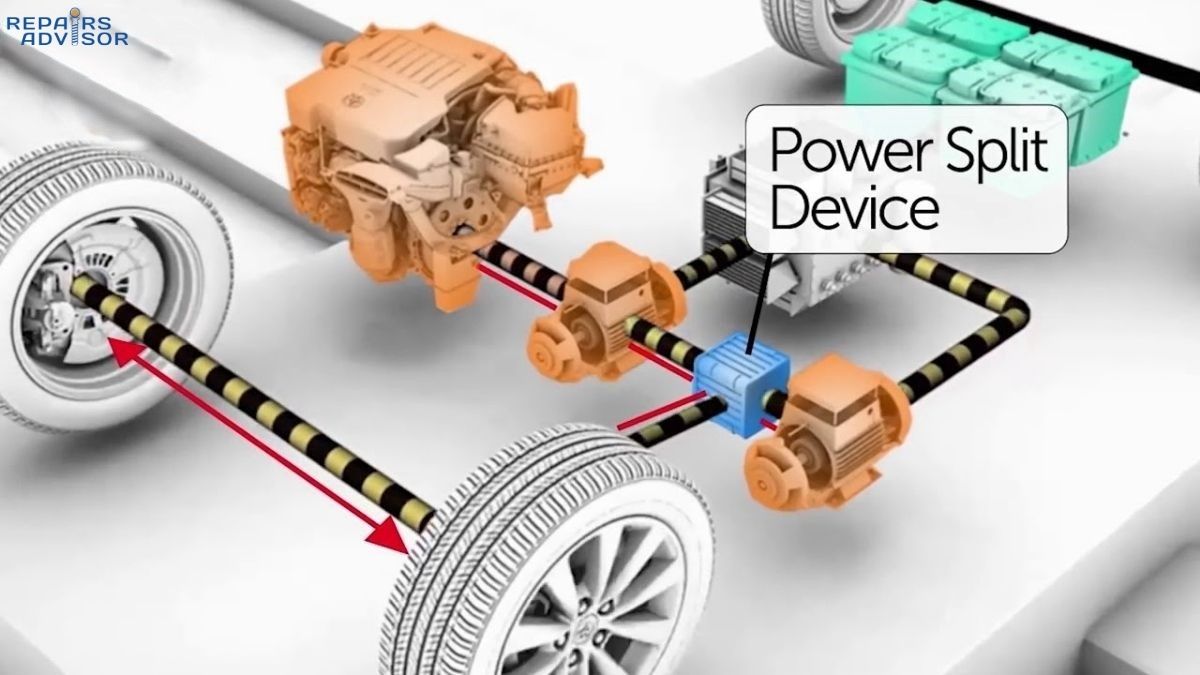
Conventional full hybrids (Toyota Prius, Honda Accord Hybrid, and similar) use regenerative braking primarily to support battery-assisted engine-off operation and to power auxiliary systems. Their regen is typically lighter than a BEV, and one-pedal driving is not usually offered, but they still achieve meaningful reduction in friction brake use and improved fuel efficiency in city driving.
Mild hybrids (48V belt-starter-generator systems) provide the lightest regen benefit. The 48V system can recover modest energy under deceleration, but the small battery and limited motor power mean the system contributes more to fuel economy at a system level than to dramatically extending brake pad life or enabling driver-selectable regen modes.
What Regenerative Braking Cannot Replace
Despite its efficiency and the genuine driving advantages it offers, regenerative braking has real limitations that are worth understanding — particularly from a safety perspective.
It cannot fully replace friction brakes for emergency stopping. No current regenerative system can match the deceleration rates achievable by four-wheel hydraulic disc brakes under full emergency braking. The motor’s energy absorption ceiling is real. In any true panic stop situation, the hydraulic system takes over as the primary stopping force. Drivers accustomed to strong one-pedal driving should not allow familiarity with lift-off braking to erode their readiness to use full brake pedal force when required.
It cannot hold the vehicle stationary on an incline (in most vehicles). Regenerative braking reduces speed but does not lock the drivetrain the way a friction parking brake does. Most EVs use the standard electric parking brake to hold position; a small number (Chevrolet Bolt on minor grades, for example) can hold stationary using motor torque alone, but this is not universal.
It is affected by the interaction with traction control systems. On slippery surfaces — ice, loose gravel, standing water — aggressive regen can cause wheel slip, particularly at the driven axle. Modern systems detect and manage this, reducing regen automatically when slip is detected, but drivers should understand that strong lift-off regen on a slippery surface can behave similarly to applying the brakes. Leaving more following distance and using smoother inputs in poor conditions applies to regen as much as to conventional braking.
The ESC and brake-by-wire coordination that makes modern regen systems safe and transparent is sophisticated electronic engineering — and when faults occur in these systems, the effects on regen behaviour can be significant. Any fault in the high-voltage system, motor controller, or brake actuator can alter how regen operates. These faults require diagnosis by a technician with appropriate high-voltage certification and diagnostic tooling. The regen system touches the traction motor, the high-voltage battery, the power electronics, and the brake-by-wire actuators — none of these components are owner-serviceable for diagnostic or repair work.
A Note on High-Voltage System Safety
Regenerative braking is integrated with the vehicle’s high-voltage architecture at a fundamental level. The traction motor, inverter, high-voltage contactors, and battery management system all participate in every regen event. While understanding how the system works is valuable for any EV or hybrid owner, it is important to be clear about where the boundary between informed ownership and professional service lies.
Routine brake maintenance — pad inspection, rotor condition assessment, brake fluid changes, caliper cleaning — falls within the scope of intermediate DIY servicing and should follow normal safety precautions for brake work. Any work that involves the high-voltage system components, the motor controller, the brake-by-wire actuator unit, or diagnostic investigation of regen system fault codes requires a certified high-voltage technician. High-voltage vehicle systems operate at 400V–800V DC depending on platform. Incorrect handling of these components is potentially fatal.
If you notice changes in regenerative braking behaviour — sudden loss of regen, inconsistent regen strength, unusual pedal feel, or dashboard warnings — do not attempt to investigate the high-voltage or brake-by-wire components yourself. Have the vehicle inspected by a qualified technician with appropriate EV certification and diagnostic capability.
Understanding the Full Picture
Regenerative braking is one of the most elegant features of electric and hybrid vehicle design — a system that turns an unavoidable physical event (deceleration) into a useful energy recovery opportunity. It extends driving range, reduces brake pad and rotor wear, and gives drivers a new tool for managing vehicle speed that most find intuitive after a short adjustment period.
The practical implications for ownership are straightforward: drive smoothly and anticipatorily to maximise regen benefit; inspect brakes annually even if pad wear is minimal; exercise the friction brakes regularly to prevent rotor corrosion; and change brake fluid on the manufacturer’s schedule. For fault codes or changes in regen system behaviour, professional diagnosis is the right response — the system’s integration with high-voltage components places it firmly outside owner-serviceable scope.
For a deeper look at the drivetrain components that make regenerative braking possible, the article on how traction motors work covers the motor-as-generator principle in full technical detail.
Regenerative Braking: Frequently Asked Questions
Regenerative braking is one of the most talked-about features of electric and hybrid vehicles, yet it also generates more questions than almost any other EV technology. Whether you’re new to electric driving, shopping for your first hybrid, or just want to understand what your car is actually doing when you lift off the accelerator, this FAQ covers the questions owners and prospective buyers ask most. For a full technical breakdown of how the system works, see the main guide on how regenerative braking works.
Quick Answer
Regenerative braking uses the electric traction motor as a generator during deceleration, converting kinetic energy back into electricity stored in the high-voltage battery. It reduces brake pad wear significantly, recovers 60–70% of braking energy under favourable conditions, and works alongside conventional hydraulic brakes rather than replacing them. Common questions cover how it feels, why it sometimes reduces in cold weather or with a full battery, what maintenance EV brakes actually need, and whether it is safe to use as your primary stopping method.
What is regenerative braking, and how does it differ from normal braking?
In a conventional vehicle, pressing the brake pedal activates hydraulic calipers that press friction pads against rotating rotors. The vehicle’s kinetic energy is converted to heat through that friction and dissipated into the air — it is gone. In an EV or hybrid, the traction motor that normally drives the wheels can also operate in reverse: when the wheels spin the motor rather than the motor spinning the wheels, it generates electrical current. That current flows back to the high-voltage battery, converting kinetic energy into stored electrical energy rather than wasted heat.
The practical difference is that every time you decelerate in an EV using regenerative braking, you are partially recharging the battery rather than wearing away brake components. The disc brakes are still present and still engage for hard stops and emergencies — regen works alongside them, not instead of them.
Do my brake lights come on during regenerative braking?
Yes, in virtually all modern EVs and hybrids. When regenerative braking produces deceleration above a calibrated threshold — typically around 0.1g — the brake lights activate automatically, even if you have not pressed the brake pedal. The vehicle’s control system monitors deceleration rate and triggers the rear lights accordingly, so the driver behind you gets a proper warning regardless of whether you are using lift-off regen or the brake pedal.
This behaviour is particularly relevant for one-pedal driving, where you may be slowing significantly without any pedal input. Modern EVs handle this correctly by design, but it is worth knowing so you understand why your brake lights might activate when you simply release the accelerator at speed. If you are driving a rented or unfamiliar EV for the first time, be aware that following drivers may not expect the car ahead to slow this promptly on simple throttle lift — leave the driver behind you a little more space in traffic until both parties adjust.
Why does regenerative braking feel weaker in cold weather?
Cold temperatures reduce a lithium-ion battery’s ability to accept a rapid charge. When the high-voltage battery is cold — typically below approximately 10°C (50°F), though the exact threshold varies by manufacturer — the battery management system limits how quickly energy can be pushed into the cells to prevent damage to the battery chemistry. Because regenerative braking works by charging the battery, the system automatically reduces regen strength when the battery is cold, even before any warning appears on the dashboard.
The practical effect is that the car feels like it coasts more freely than usual when you lift off the accelerator. Some vehicles display a “Regenerative Braking Reduced” message or show a visual indicator on the energy display. This is normal and expected behaviour, not a fault. The solution is straightforward: pre-condition the vehicle while it is still plugged in, allowing the thermal management system to warm the battery before you drive. As the battery reaches operating temperature during driving, regen strength returns to normal. In the meantime, rely more on the brake pedal than you normally would — regen reduction does not affect the hydraulic brakes at all.
Why does regenerative braking stop working when the battery is fully charged?
Regenerative braking works by pushing electrical energy back into the battery. If the battery is at or near 100% state of charge, it cannot accept more energy without risking overcharge damage — so the system reduces or disables regen entirely to protect the battery. This is most commonly noticed on long descents immediately after leaving home on a full charge, where drivers may find the car suddenly coasting freely and needing the brake pedal much more than usual.
The fix is straightforward for regular driving: avoid charging to 100% before trips that involve significant downhill driving. Most manufacturers recommend a daily charge limit of 80–90% for routine use anyway, both to extend battery longevity and to preserve regen capacity. If you are planning a mountain descent, check your charge level and consider not charging to full the night before. Once the battery drops below its upper threshold — typically around 95–98% depending on the vehicle — regen will resume at normal strength.
Is one-pedal driving safe? Can it fully replace the brake pedal?
One-pedal driving is safe for everyday traffic conditions and is how many EV drivers choose to operate their vehicles. By lifting off the accelerator early and allowing regen to decelerate the vehicle smoothly, you can typically bring the car to a full stop in normal city and suburban driving without pressing the brake pedal. The system is designed for this use case.
However, one-pedal driving cannot and should not replace the brake pedal entirely. There are several situations where you will still need to use the brake pedal directly: emergency stops and panic braking, where you need maximum deceleration immediately and friction brakes provide it fastest; very low speed manoeuvring, where regen becomes ineffective; situations where the battery is full or cold and regen is reduced; and any time ABS or traction control intervention is needed, which works best in coordination with the full brake pedal. Always keep your right foot positioned to reach the brake pedal promptly, even when driving predominantly in one-pedal mode.
Does regenerative braking wear out the motor or other components faster?
No — regenerative braking does not measurably increase wear on the traction motor or the motor controller under normal driving conditions. Electric motors are designed to operate as both motor and generator; switching between modes is a standard part of their function and does not introduce additional mechanical stress. The electromagnetic resistance that slows the vehicle involves no physical friction within the motor itself.
The one component category that can be affected is the drivetrain — specifically CV joints and half shafts — in vehicles where very aggressive regen settings create rapid torque reversals repeatedly over high mileage. This is an edge case relevant to high-mileage commercial operators or drivers using maximum regen continuously, not typical owner use. For everyday driving, using regenerative braking as designed has no negative effect on drivetrain longevity and meaningfully extends the life of friction brake components.
How long do brake pads last on an EV or hybrid?
Significantly longer than on a comparable petrol or diesel vehicle. On a conventional car, brake pads typically last 40,000–60,000 miles depending on driving style and conditions. On an EV with strong regenerative braking and regular one-pedal driving use, owners commonly report brake pad life of 80,000–150,000+ miles, and some EV owners report never needing a pad replacement within their ownership period.
The reason is simple: regen handles the majority of deceleration in normal driving, so the hydraulic calipers are engaged far less frequently. Less friction use means less pad compound wear. That said, the pads still wear — just slowly — and other brake system issues can arise from infrequent use that require attention regardless of pad thickness.
Do EV brakes still need regular maintenance if they barely wear?
Yes, and this is one of the most important things EV owners need to understand. Reduced friction brake use solves one maintenance problem — pad wear — but creates another: corrosion. On a conventional vehicle, the rotors are continuously scrubbed clean by pad contact on every stop. Surface rust that forms overnight is wiped away during the first few braking events of the day. On an EV using one-pedal driving, friction brakes may not fully engage for days at a time during normal use.
The result is that surface rust accumulates faster, particularly in wet or salty climates. If left unaddressed, this can progress to rotor pitting, uneven pad contact, vibration under braking, and sticking caliper slides — none of which are related to pad thickness at all. Knowing how brake fluid ages is also relevant: moisture absorption in the hydraulic system occurs regardless of how often the friction brakes are used, so fluid replacement should follow the manufacturer’s schedule (typically every two years) even on low-mileage brake systems.
Recommended maintenance for EV owners: annual brake inspection covering pad thickness, rotor surface, caliper slides, and hose condition; brake fluid replacement per schedule; and deliberately exercising the friction brakes with several firm stops once or twice a month to scrub the rotors and keep caliper hardware moving freely.
Can I adjust how strong regenerative braking is?
On most modern EVs and many recent hybrids, yes. The available adjustment range varies considerably between manufacturers and models. One-pedal driving mode — available on most full BEVs — applies the strongest regen when the accelerator is released, often enough to bring the vehicle to a complete stop without touching the brake pedal, and can usually be toggled on or off through the settings menu. Some vehicles such as the Hyundai IONIQ 5 and Kia EV6 use steering wheel paddles to step through regen intensity in real time, letting you modulate regen like downshift paddles in a conventional car. Many vehicles also offer B-Mode or L-Mode via the gear selector for high-regen situations like hill descents, and Eco, Normal, and Sport drive mode selections often alter regen strength as part of their broader calibration.
If your vehicle feels like it is not using much regen, check the settings menu and owner’s manual — regen may simply be set to a lower level by default, or one-pedal mode may need to be explicitly enabled.
Does regenerative braking work on slippery roads?
Regenerative braking applies deceleration torque at the driven wheels, and on slippery surfaces — ice, wet roads, loose gravel — that torque can cause wheel slip in the same way that braking or accelerating aggressively can. Modern EVs handle this through the same stability systems that manage all wheel behaviour: traction control and electronic stability control monitor wheel speed and automatically reduce regen if slip is detected, transitioning to balanced four-wheel braking using the hydraulic system as needed.
For drivers, the practical implication is to leave more following distance in slippery conditions and use smoother, earlier inputs when slowing. Strong lift-off regen in a rear-wheel-drive EV on ice can produce the same instability as trail-braking — the vehicle’s systems will manage it, but giving them less to manage by driving smoothly is always better.
Does regenerative braking work differently on hybrids versus pure EVs?
The underlying principle is identical — the motor acts as a generator during deceleration — but the capability and feel vary considerably based on battery size and vehicle architecture.
Full BEVs typically have the strongest regen and the widest range of adjustment, including one-pedal driving, because the large high-voltage battery provides significant capacity to absorb recovered energy. Understanding how hybrid battery systems work helps clarify why conventional full hybrids (Toyota Prius, Honda Accord Hybrid) offer lighter regen: their smaller batteries fill more quickly and their regen systems are calibrated to operate within a tighter state-of-charge window that supports both battery charging and engine-off driving.
Plug-in hybrids sit between full hybrids and BEVs — more regen capability than a conventional hybrid, but typically less than a full BEV because the battery is smaller. Mild hybrids with 48V belt-starter-generator systems offer the lightest regen of all, contributing to fuel economy without providing driver-perceptible one-pedal capability.
Can I have regenerative braking faults diagnosed and repaired myself?
Routine brake maintenance — inspecting pad thickness, checking rotor condition, servicing caliper slides, and replacing brake fluid — falls within normal intermediate DIY scope and does not require high-voltage certification. However, any fault that affects how the regenerative braking system operates involves components that are not owner-serviceable: the traction motor, inverter, high-voltage contactors, brake-by-wire actuator, and battery management system all interact with regen behaviour. These components operate at 400V–800V DC depending on platform.
If you notice a sudden change in regenerative braking behaviour — regen disappearing without a cold weather or full-battery explanation, dashboard warnings related to the high-voltage system or brake-by-wire system, or loss of brake feel — have the vehicle inspected by a technician with appropriate EV certification and factory-level diagnostic tooling. Do not attempt to investigate or repair high-voltage system components yourself.
Does using maximum regenerative braking save the most energy?
Not always, and the difference between modes is smaller than many drivers expect. Research from Eindhoven University of Technology found that one-pedal driving (maximum regen) improved overall energy efficiency by approximately 2–9% compared to blended braking in most driving scenarios. A real-world test with a Polestar 2 found no measurable difference between modes at all. Modern blended braking systems are very good at prioritising regenerative braking before engaging friction brakes — the efficiency gap between maximum regen and a well-managed blended approach is modest.
The bigger energy gains come from driving style: smooth, anticipatory deceleration gives the motor more time to recover energy before the friction brakes need to engage. Gradual, planned deceleration from a greater distance consistently outperforms late, heavy braking regardless of which regen mode is active. The choice between one-pedal and blended modes is ultimately a comfort and preference decision as much as an efficiency one — drive whichever feels most natural and safe for your conditions.