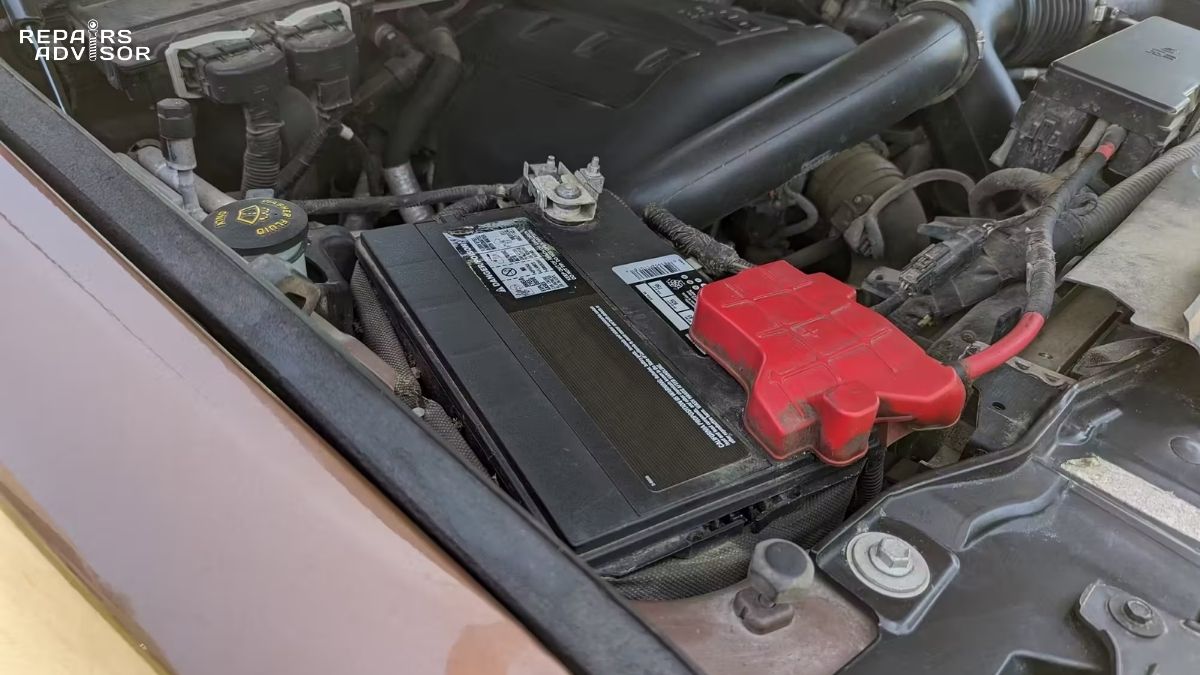
The 12V battery is the most common roadside failure on the planet, yet most drivers only think about it on the morning it leaves them stranded. It is a small, unglamorous box bolted into the engine bay (or the boot on many newer cars), and it quietly handles three of the most important jobs in your vehicle: cranking the engine, steadying the electrical system, and keeping your accessories alive when the engine is off. This guide walks through what a 12V battery actually does, the chemistry that makes it work, the battery types now on the market, how to read its voltage, how to test it yourself, and how to make it last as long as possible.
Quick Answer
A 12V car battery is a rechargeable lead-acid battery built from six 2.1-volt cells wired in series, giving roughly 12.6 volts when fully charged. It delivers a high-current burst to crank the starter, then stabilises system voltage while the alternator does the running work. A healthy battery rests at 12.6–12.8V; around 12.4V means it needs charging soon, and below 12.0V it is discharged. Most last three to five years before they need replacing.
What a 12V Battery Actually Does
People often assume the battery powers everything in a running car. It does not. Its headline job is starting: when you turn the key or press the button, the battery dumps a large burst of current into the starter motor to crank the engine over. That is also why a weak battery is the number-one reason a car won’t start. Once the engine fires, the alternator takes over and supplies the electrical load while topping the battery back up.
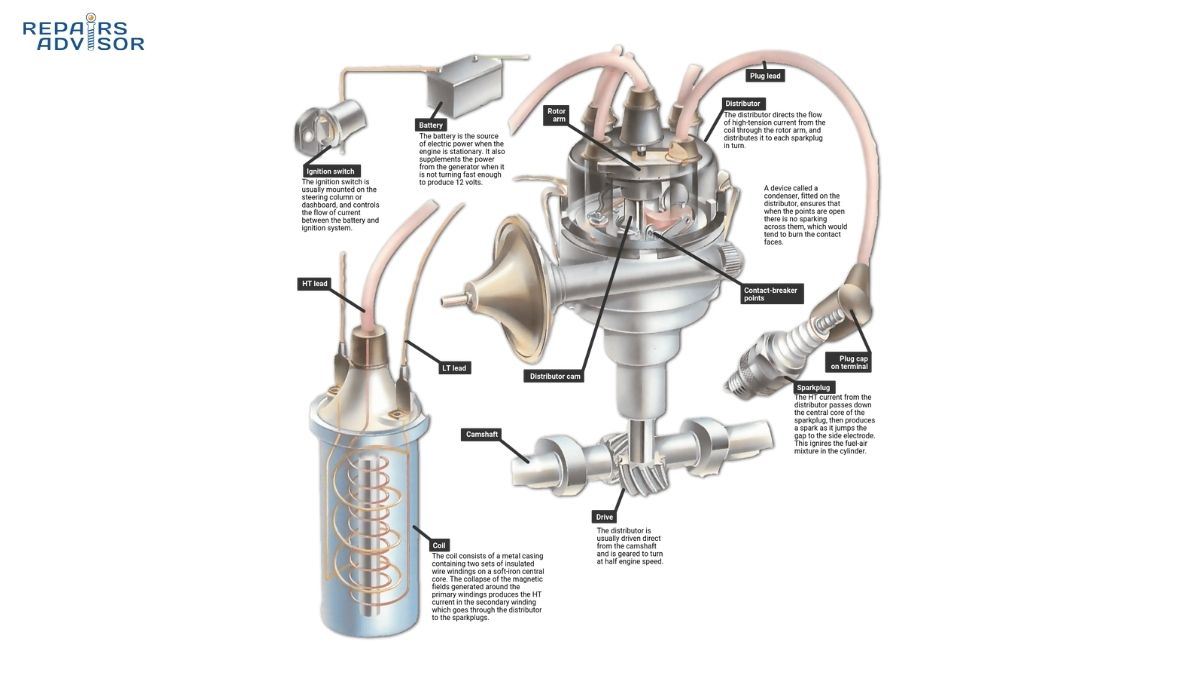
The battery still matters while you drive, though. It stabilises voltage across the electrical system and fills short-term gaps when demand briefly outruns the alternator, such as sitting at idle with the headlights, air conditioning and rear defroster all running at once. It also runs your lights, radio and other accessories when the engine is off. This combination of duties is why the conventional automotive battery is described as an SLI battery, short for Starting, Lighting and Ignition. Understanding the broader energy-storage role of a car battery makes the rest of this guide easier to follow, and it explains why the battery’s condition affects far more than just cranking. The current it sends on start-up flows straight into the starter motor, which is the single biggest electrical draw the battery ever sees.
How a 12V Battery Works: Lead-Acid Chemistry
Open a conventional battery up and you will find six separate cells, each producing about 2.1 volts. Wired in series, they add up to roughly 12.6 volts, which is why a “12V” battery is really closer to 12.6V when full. Each cell holds positive plates coated in lead dioxide and negative plates of sponge lead, all sitting in an electrolyte of sulfuric acid and water.
The important thing to grasp is that the battery does not store electricity directly; it stores chemical energy and converts it on demand. During discharge, the acid reacts with the lead plates to form lead sulfate and releases electrons, and that flow of electrons is the current that cranks your engine. When the alternator feeds voltage back in, the reaction runs in reverse and the battery recharges. Because the chemistry is predictable, voltage drops in a fairly consistent way as the state of charge falls, which is exactly what makes a simple voltmeter such a useful diagnostic tool later on.
For readers who like the deeper detail, plate design is where a lot of a battery’s character comes from. More plates, or thinner ones, deliver current faster and give better standby life; thicker plates trade some of that peak output for a longer overall service life. None of this is something you adjust, but it explains why two batteries of the same physical size can perform very differently.
The Main Battery Types: Flooded, EFB, AGM and Lithium
Not all 12V batteries are built the same way, and fitting the wrong type to a modern car causes real problems. There are four families worth knowing.
Standard Flooded (SLI)
This is the traditional wet-cell battery with free-flowing liquid electrolyte. It is the cheapest, most widely available and most proven option, and it suits older or low-demand vehicles well. The trade-off is a shorter typical life of three to five years and limited cycling ability, which means it is not designed for stop-start systems.
Enhanced Flooded (EFB)
An EFB is a wet-flooded battery upgraded with a polyfleece lining on the plates and improved internal construction. That lets it handle the rapid charge-and-discharge cycling of entry-level stop-start systems, and it generally lasts longer than a standard battery, often in the five-to-seven-year range. Independent testing has also credited EFBs with strong heat tolerance, which matters under a hot bonnet.
Absorbent Glass Mat (AGM)
An AGM battery holds its electrolyte in a glass-fibre mat rather than as free liquid, so it is sealed, spill-proof and maintenance-free. Its low internal resistance gives it faster charging, stronger cold cranking and far better cycling endurance, which is why it has become the standard for vehicles with advanced stop-start systems, large infotainment setups and heavy driver-assistance electronics.
Lithium and Gel
Lithium 12V batteries are light, charge quickly and last a long time, but they remain mostly a performance and specialist choice, and they appear as the auxiliary battery in many electric vehicles. Gel batteries are a vibration-resistant niche that AGM has largely displaced.
There is one compatibility rule that genuinely matters: AGM can replace a flooded or EFB battery, but you should never downgrade a car that came with AGM to a cheaper EFB or flooded unit. The vehicle’s battery management system expects the higher-spec battery, and fitting the wrong one can upset the stop-start function, trigger comfort-feature faults and shorten battery life. Always match the original technology and the correct size, and check the owner’s manual if you are unsure. It also helps to understand how a 12V starter battery differs from the high-voltage pack in an electrified car, which the hybrid battery system guide lays out clearly.
Reading a Battery’s Specs: CCA, Ah, Reserve Capacity and Group Size
The label on a battery carries the numbers you need to choose a correct replacement. Cold Cranking Amps, or CCA, describes how much current the battery can deliver at 0°F for 30 seconds while staying above 7.2 volts, which is the figure that actually starts the car on a freezing morning. If a tested battery’s CCA has dropped below roughly 80% of its rating, it is due for replacement even if it still reads a healthy voltage at rest.
Ampere-hour capacity (often shown as Ah or C20) describes how much current the battery can supply steadily over a 20-hour period, while reserve capacity tells you how many minutes it could keep the car running on battery alone if the charging system failed. Finally, the group size and terminal layout have to match your vehicle physically and electrically. The key insight here is that voltage and CCA measure different things: a battery can show 12.6V at rest yet have degraded plates that deliver only a fraction of their rated cranking amps under load. That gap is exactly why testing matters, which we will come to shortly.
12V Battery Voltage Explained
Voltage is the single most useful indicator of a battery’s state of charge, and the numbers follow a fairly tight pattern. At rest, meaning at least a couple of hours after driving, around 12.6–12.8V indicates a full charge, about 12.4V suggests it will need charging soon, roughly 12.2V is only half charged, and anything under 12.0V counts as discharged. A flat battery often sits near 11.8V.
With the engine running, the picture shifts because the alternator is now in charge. You should see roughly 13.8–14.4V at idle. A reading under about 13V with the engine running means the alternator isn’t keeping up and the battery is slowly draining even as you drive, while a reading much above 14.8V can point to overcharging. The voltage regulator is what holds that charging output in the correct window, and the way that voltage regulation behaves is often the difference between a battery that lasts and one that cooks.
One trap catches a lot of people: surface charge. A battery that was just driven reads artificially high for a while, so let the car rest before testing, or switch the headlights on for a couple of minutes to bleed off the surface charge first. It is also normal for the clock, alarm and onboard computer to draw a small parasitic current at all times, so a perfectly healthy battery still discharges slowly if the car sits unused for weeks. If the idea of charge levels is new to you, the guide to what a battery charge is covers the fundamentals.
Signs Your 12V Battery Is Failing
Batteries rarely die without warning, and learning the signals buys you time to act before you are stranded. The most common early sign is slow, sluggish cranking when you start the car. A single click, or a rapid clicking, when you turn the key usually means there is enough power for the electronics but not enough to swing the starter.
Electrical clues stack up alongside that. Headlights that look dimmer than usual or flicker, interior lights that are weak, power windows or seats that move slowly, and an infotainment system that behaves erratically all point to a battery that can’t hold up the system voltage. The dimming is most noticeable at night, and keeping the rest of your vehicle’s lighting system in good order makes a genuine battery problem easier to spot. A battery or charging warning light on the dash is another obvious flag and should never be ignored.
Some warnings are physical. A swollen or bloated case is a sign of heat damage, white or green corrosion around the terminals interrupts the connection, and a rotten-egg, sulfur smell means the battery is venting acid and should be checked immediately. Needing frequent jump-starts, or finding the battery flat overnight, points either to age or to a slow drain. As a rule of thumb, once a battery passes the three-to-four-year mark it is worth testing proactively, and you can read the manufacture date stamped on the case. Bear in mind that several of these symptoms overlap with alternator and starter faults, which is the next thing to untangle.
How to Test a 12V Battery
Testing a 12V battery is well within reach for an intermediate DIYer, and it only needs an inexpensive multimeter. Before you start, put on gloves and eye protection, switch the engine off, and wipe any corrosion off the terminals so the probes make clean contact.
For the resting-voltage test, set the multimeter to 20V DC, touch the red probe to the positive terminal and the black probe to the negative, and read the result against the state-of-charge figures above. For the most accurate picture, test after the car has sat for a few hours, ideally overnight. To check the battery under the stress of starting, have a helper crank the engine while you watch the meter; at room temperature the voltage should stay above about 9.6V during cranking. Finally, with the engine running you can confirm the charging system by looking for that 13.8–14.4V band at idle.
There is an important limitation to a plain voltage check: voltage alone can hide a tired battery. A proper load test, which applies a real starting-style draw and watches how the voltage holds, reveals batteries that look fine at rest but collapse under load. Many parts stores offer this load testing free of charge, and it is the most reliable home-adjacent option. Reading the results together tells you which problem you actually have: low resting and low cranking voltage points to a weak battery, normal resting voltage with low running voltage points to the charging system, and a battery that tests fine then drops again may be degrading internally or suffering a parasitic drain. If you are chasing an electrical gremlin rather than a dead battery, it is also worth ruling out blown circuits and loose connections elsewhere in the system.
Battery, Alternator or Starter? Telling the Culprit Apart
Because their symptoms overlap, drivers routinely replace a battery when the real fault lies elsewhere. A quick mental decision tree helps. Low resting voltage combined with low cranking voltage usually means the battery itself is weak. Normal resting voltage but a low reading with the engine running shifts suspicion to the alternator and charging system. A battery that keeps going flat after being charged suggests internal degradation or a parasitic draw. And the cranking sound is a clue in its own right: a single heavy click with no crank often points to the starter, while rapid clicking usually means a low battery.
The classic mistake is fitting a new battery only for it to die days later because the alternator was undercharging it all along; a failing alternator can also overcharge and ruin a healthy battery. It is worth remembering that a genuinely bad battery puts extra strain on the alternator too, so the two faults can feed each other. If a no-start has you wondering whether the issue is even in the battery at all, the overview of what wires it takes to start a car maps out the starting circuit.
The 12V Battery in EVs and Hybrids
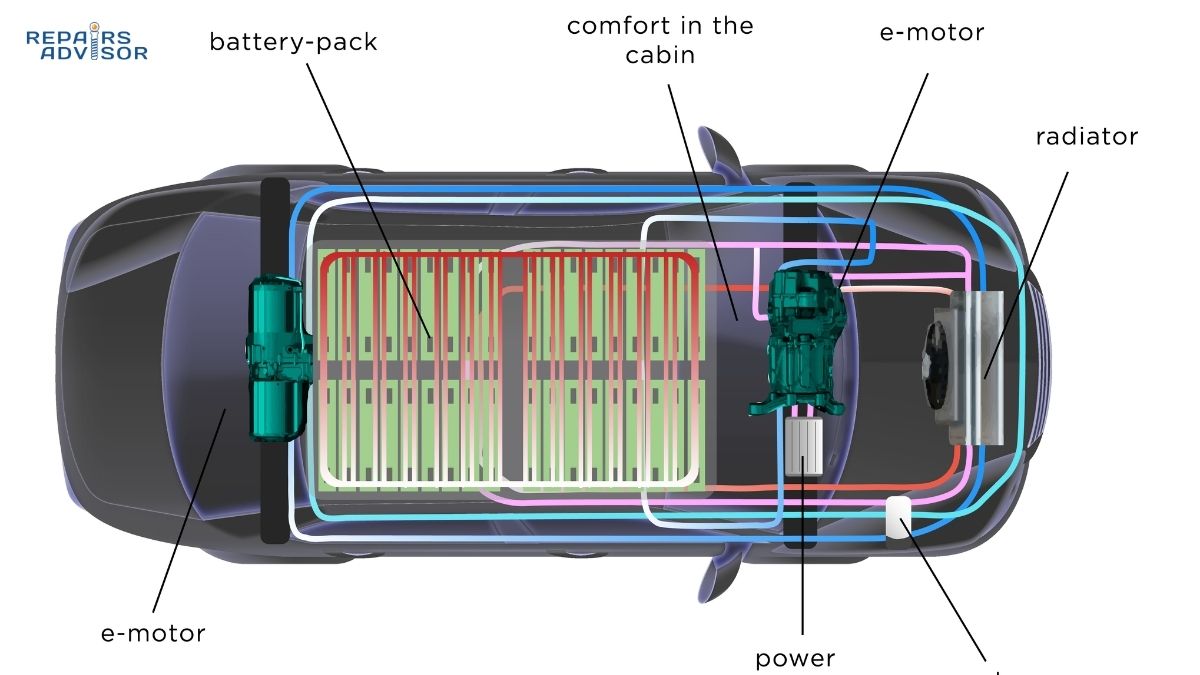
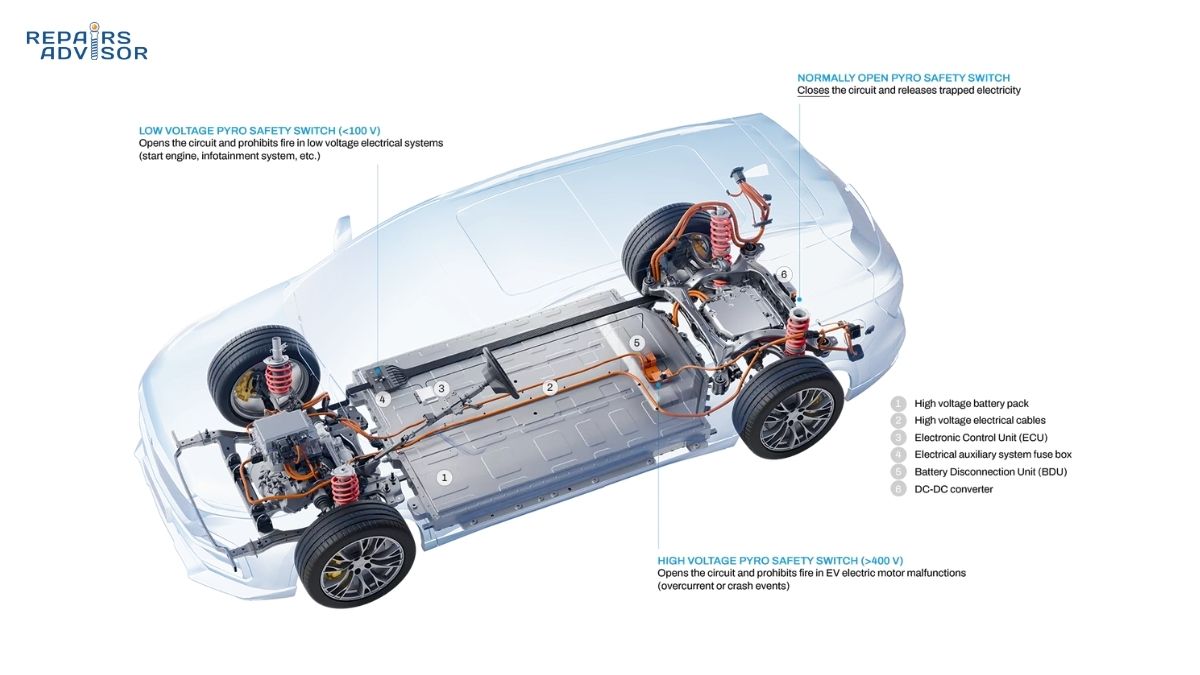
It surprises a lot of people, but every electric and hybrid vehicle still carries a conventional 12V battery. It is what wakes the car up, unlocks the doors, runs the computers and accessories, and energises the contactors that connect the high-voltage traction pack. A flat 12V battery can leave an EV unable to “start” or even open, despite a fully charged main battery underneath the floor.
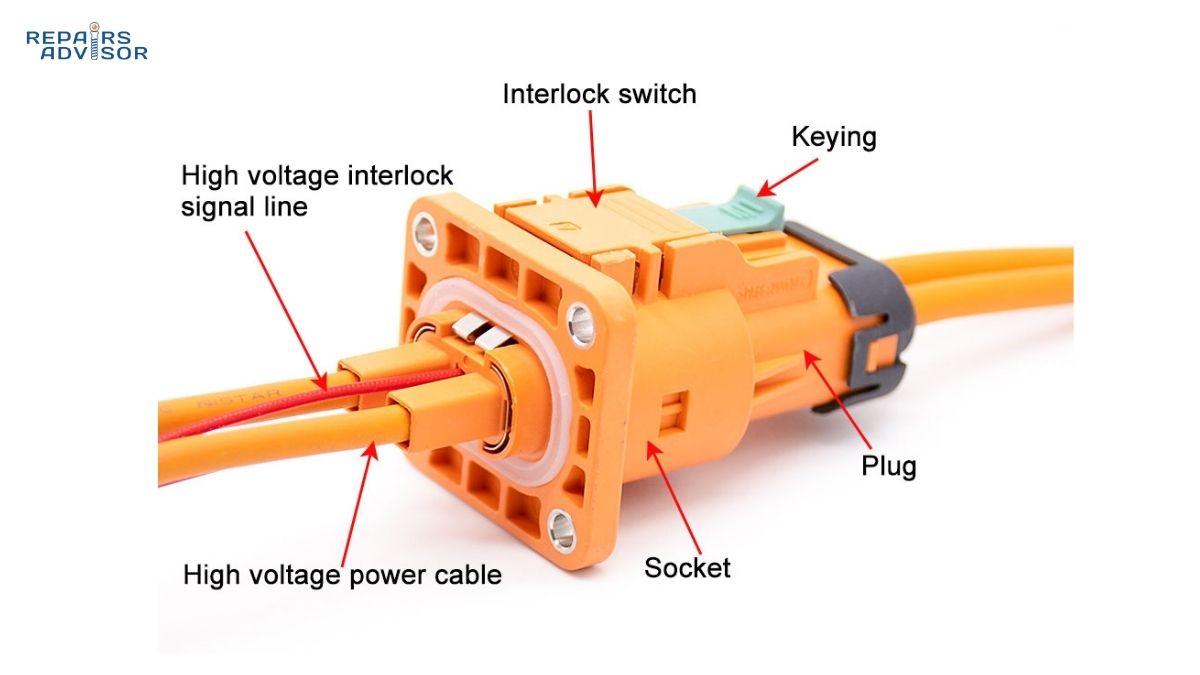
The difference is in how it is kept charged. Instead of an alternator, a DC-DC converter steps the high-voltage energy down to around 12 volts to maintain the auxiliary battery. If you want to see how that conversion works, the DC-DC converter explainer covers it, and the look at how long hybrid batteries last adds useful context. One firm caution applies here: the high-voltage system in an electrified car is genuinely dangerous and is not a DIY area. Checking or replacing the small 12V battery may be owner-level on some models, but anything involving the orange high-voltage cabling or the traction pack must be left to technicians with the right training and equipment.
Working Safely Around a Battery
A lead-acid battery deserves respect. It vents hydrogen gas, especially when discharged or charging, and that gas is flammable; the electrolyte is sulfuric acid that burns skin and eyes. A stray spark near the battery can ignite the gas and cause it to rupture, spraying acid and casing, and eye injuries are the most common result. So before you do anything, put on safety glasses and gloves, take off metal jewellery, work in a ventilated space, and keep flames and cigarettes well away.
Jump-starting is where the order of operations really counts, because the sequence is designed to keep the final spark away from the battery. Connect the red clamp to the dead battery’s positive terminal first, then the other red clamp to the donor battery’s positive terminal, then the black clamp to the donor’s negative terminal, and finally the remaining black clamp to a clean, unpainted metal ground or engine bracket on the dead car rather than to the dead battery’s negative terminal. That last off-battery connection is what makes the procedure safe; grounding to the chassis instead of the post is explained further in the guide to vehicle ground systems. To disconnect, reverse the order.
A few hard limits are worth stating plainly. Never try to jump-start or charge a battery that is cracked, leaking, swollen or frozen; thaw or replace it instead, because forcing current through a damaged battery risks a violent failure. Modern stop-start cars with AGM or EFB batteries need a charger or jump pack rated for that battery type, and some vehicles require a battery registration step after replacement. Finally, treat a jump-start as a temporary fix only: drive for twenty to thirty minutes afterwards, or properly recharge the battery, and then have it tested, because a battery that needed jumping is telling you something.
Maintenance: Making a 12V Battery Last
A little attention goes a long way toward squeezing full life out of a battery. Keep the terminals clean and tight, since corrosion and loose clamps create voltage drops that make the battery work harder; the same connection principles that govern the car’s wiring harnesses apply at the battery posts. Inspect the case now and then for leaks or swelling.
Charging habits matter more than most drivers realise. A string of short trips never lets the alternator fully recharge the battery, which encourages sulfation and slowly starves its capacity, so an occasional longer drive helps. For a car that sits, or a seasonal vehicle, a quality smart or trickle charger keeps it topped up, and you should use the correct AGM setting where the battery calls for it. Temperature is the other big factor: heat quietly evaporates electrolyte and degrades the plates over the summer, and that hidden damage tends to reveal itself the first cold morning, so parking in shade or a garage genuinely helps. Minimise parasitic drains by switching off lights and accessories when the engine is off, and get into the habit of testing the battery every few months and before winter.
When to Replace and Choosing the Right Battery
A battery has reached the end of the road when it is past the three-to-five-year mark and showing warning signs, when it fails a load test, when its tested CCA has fallen below roughly 80% of the rating, when the case is swollen or leaking, or when it needs repeated jumps to get going. Replacing a tired battery before it strands you is almost always the cheaper path.
Choosing the replacement comes down to matching the original specification: the same technology family (flooded, EFB or AGM), and the correct group size, CCA and terminal layout, all confirmed against the owner’s manual. Remember the golden rule about never downgrading an OE AGM battery. It is also worth checking make-specific repair information for the exact battery specification and for any disconnect precautions your car has, such as stored radio codes or modules that need to relearn settings after the power is cut; manufacturer pages like Ford repair manuals are a useful starting point, and broader car repair manuals cover other makes. If you are uncertain about diagnosing a charging-system fault or registering a new battery on a stop-start vehicle, having the work checked by a qualified mechanic is the sensible move.
FAQs
These are the questions drivers ask most often about the 12V battery, answered briefly and specifically. They cover the voltage numbers that actually matter, how long a battery should last, how to tell a flat battery from a failing one, and what to check before you reach for the jumper cables.
What voltage should a healthy 12V car battery be?
At rest, a couple of hours after driving, a fully charged battery reads about 12.6–12.8 volts. Around 12.4V means it will need charging soon, roughly 12.2V is only half charged, and anything under 12.0V counts as discharged. With the engine running you should see about 13.8–14.4V at idle, because the alternator is now charging the battery and holding the system voltage steady through its voltage regulator.
How long does a 12V car battery last?
Most conventional lead-acid batteries last three to five years. Enhanced flooded (EFB) and AGM batteries often run longer, but heat, frequent short trips and a weak charging system all shorten that lifespan. Once a battery passes the three-to-four-year mark, it is worth testing proactively rather than waiting for it to fail.
Is my battery dead or just discharged?
A discharged battery still holds a charge and will usually recover after a jump and a proper recharge. A dead or failing battery won’t hold that charge, fails a load test, or needs repeated jumps. The clearest way to tell them apart is to recharge fully and then have the battery load-tested; a battery that reads a decent voltage but collapses under load has reached the end of its service life. The way the battery stores and releases energy is covered in the car battery chemistry guide.
How do I test a 12V battery at home?
Set a multimeter to 20V DC, touch the red probe to the positive terminal and the black to the negative, and read the result against the resting-voltage figures above. To check it under stress, have someone crank the engine while you watch the meter; at room temperature the voltage should stay above about 9.6V during cranking. Test after the car has rested so a misleading surface charge doesn’t inflate the reading. A multimeter only measures voltage, so a free in-store load test is the more reliable way to confirm a borderline battery.
Why does my car battery keep dying?
The usual culprits are a charging system that isn’t keeping up, a parasitic drain that pulls current while the car is parked, a string of short trips that never fully recharge the battery, or simply old age. If the battery goes flat overnight, a slow drain is likely; if it discharges while you drive, suspect the alternator and charging system. Loose or corroded connections at the posts or along the wiring harness can also cause repeat failures.
Is it the battery or the alternator?
Low resting voltage combined with low cranking voltage usually points to a weak battery. Normal resting voltage but a low reading with the engine running points to the alternator. A single heavy click with no crank often means the starter, while rapid clicking usually means a low battery. Replacing one when the other is at fault is a common and costly mistake, so confirm with a charging-system test before buying parts.
What is the correct order to jump-start a car?
Connect the red clamp to the dead battery’s positive terminal first, then the other red clamp to the donor battery’s positive terminal, then the black clamp to the donor’s negative terminal, and finally the remaining black clamp to clean, unpainted metal or an engine bracket on the dead car rather than to its negative terminal. That last off-battery connection keeps the spark away from the battery’s hydrogen gas; grounding to the chassis instead of the post is explained in the vehicle ground systems guide. Never jump or charge a battery that is cracked, leaking, swollen or frozen, and wear eye protection and gloves throughout.
Can I replace a flooded battery with an AGM one?
Yes, an AGM battery can replace a standard flooded or EFB battery. The rule that matters is the other way around: never downgrade a car that came with AGM to a cheaper EFB or flooded unit, because the battery management system expects the higher-spec battery and the wrong type can upset stop-start operation and shorten battery life. Always match the original technology, group size, cold cranking amps and terminal layout, and confirm against the owner’s manual.
Do electric cars have a 12V battery?
Yes. Every electric and hybrid vehicle still carries a conventional 12V battery to wake the car, run the computers and accessories, and energise the contactors that connect the high-voltage pack. A flat 12V can leave an EV unable to start or even unlock. Instead of an alternator, a DC-DC converter steps the high-voltage energy down to keep it charged, and the contrast with the main traction pack is laid out in the hybrid battery system guide. The high-voltage side of these cars is dangerous and should be left to trained technicians.
When should I replace my 12V battery?
Replace it when it is past the three-to-five-year mark and showing warning signs, when it fails a load test, when its tested cold cranking amps fall below roughly 80% of the rating, when the case is swollen or leaking, or when it needs repeated jumps. Replacing a tired battery before it strands you is almost always the cheaper option. For exact specifications and any disconnect precautions for your make, manufacturer pages like Ford repair manuals and the wider car repair manuals are a useful starting point, and a qualified mechanic can confirm the diagnosis if you are unsure.