

How Electronic Stability Control Works: Vehicle Dynamics Management
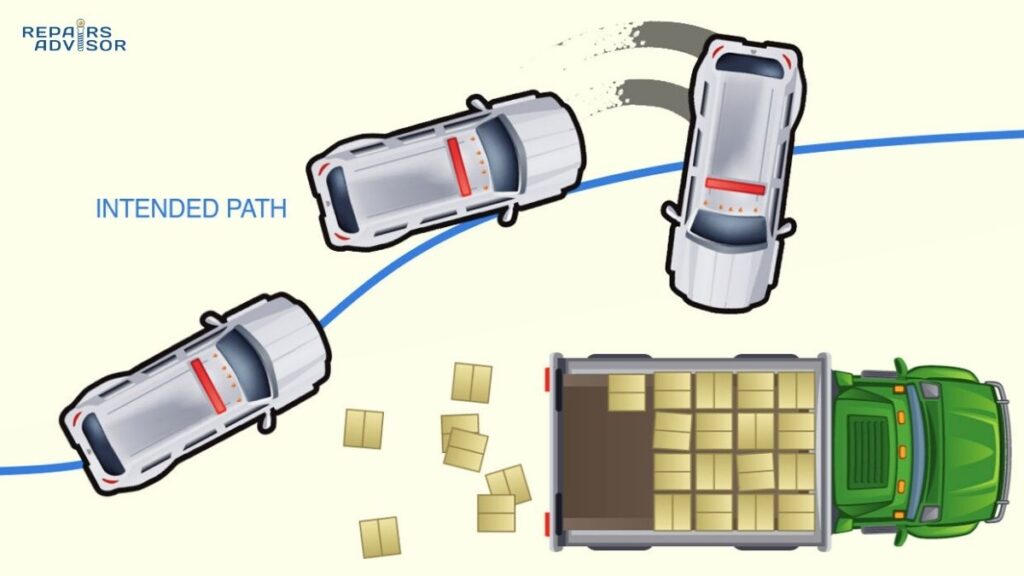
Electronic Stability Control (ESC) stands as one of the most significant safety innovations in automotive history. According to the National Highway Traffic Safety Administration (NHTSA), ESC prevents approximately 50% of fatal single-vehicle crashes and reduces rollover risk by 80% in SUVs. This technology works silently in the background, monitoring your vehicle’s stability thousands of times […]
How Traction Control Systems Work: Wheel Slip Management
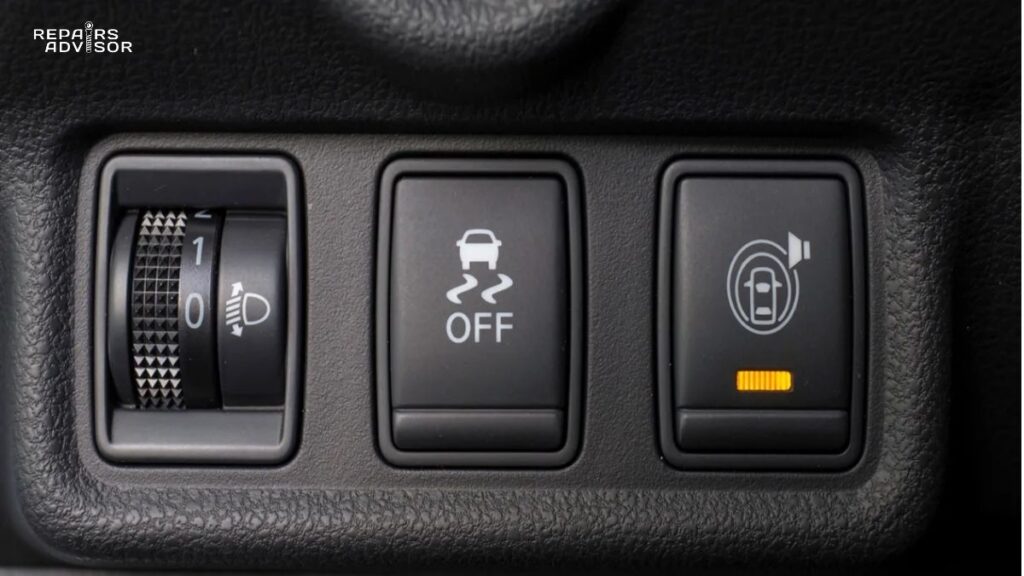
Modern vehicles come equipped with sophisticated electronic safety systems designed to keep you in control during challenging driving conditions. Among these critical systems, traction control stands out as one of the most important innovations in automotive safety technology. Since becoming mandatory on all new vehicles sold in the United States in 2012, traction control has […]
How ABS Systems Work: Anti-Lock Braking Technology
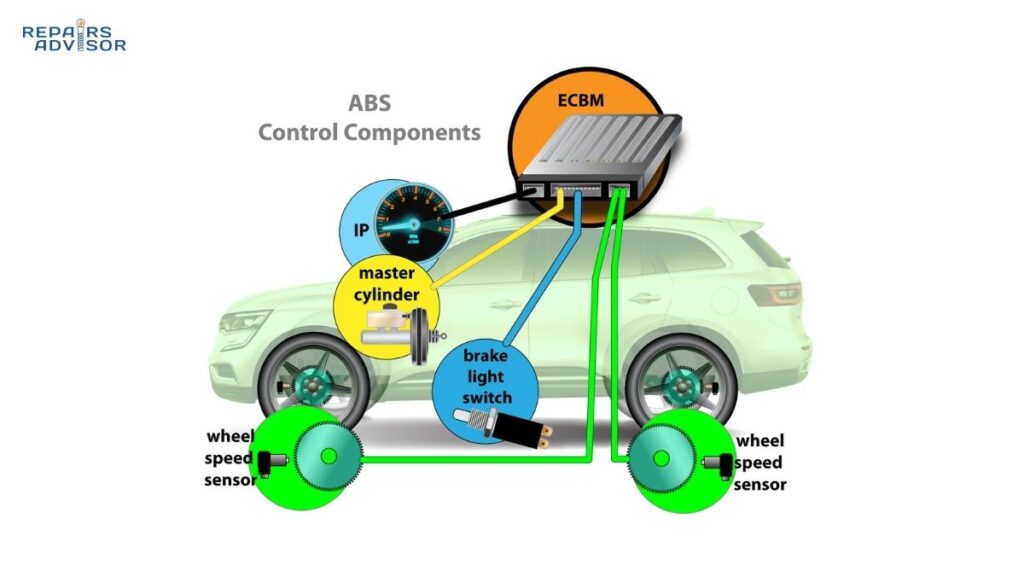
Imagine this scenario: You’re driving down a rain-slicked highway when the car ahead suddenly brakes. You slam on your brakes, but instead of skidding helplessly out of control, your vehicle maintains perfect directional stability as it comes to a controlled stop. You can still steer around the obstacle if needed. That’s the power of Anti-lock […]
How Brake-by-Wire Systems Work: Electronic Braking
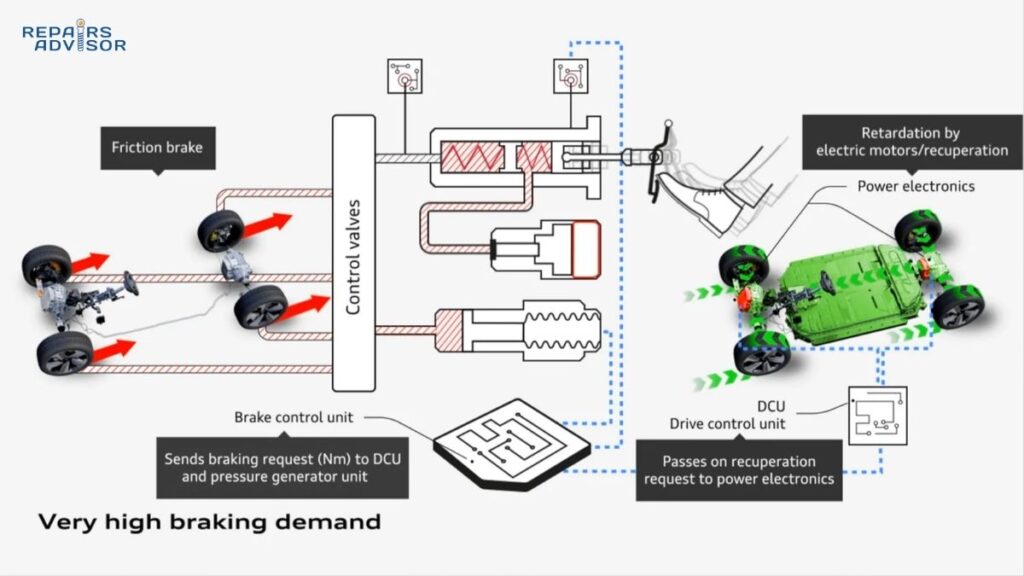
Modern vehicles are experiencing a fundamental transformation in how they stop. If you’ve driven a hybrid, electric vehicle, or recent high-performance car, you’ve likely experienced brake-by-wire technology without realizing it. This electronic braking system represents one of the most significant advances in automotive safety and efficiency since the introduction of anti-lock brakes. Brake-by-wire technology replaces […]
How Brake Pad and Rotor Tribology Works: Friction Science
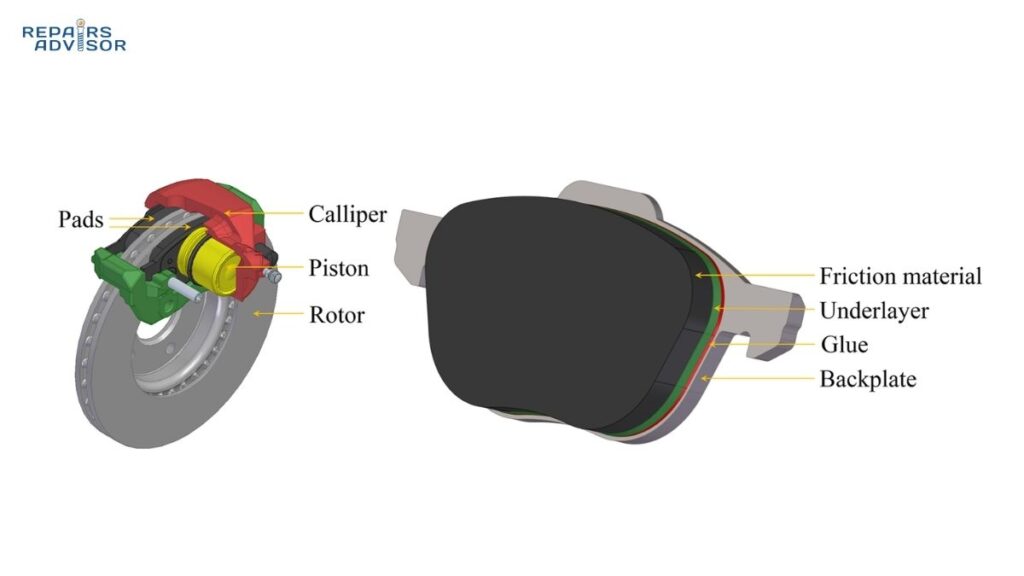
Every time you press your brake pedal, your vehicle relies on tribology—the science of friction, wear, and lubrication—to safely convert kinetic energy into heat. This seemingly simple act of stopping involves complex interactions between materials operating under extreme conditions: high speeds up to 15 meters per second, contact pressures reaching 4 MPa, and temperatures soaring […]
How Brake Proportioning Valves Work: Force Distribution
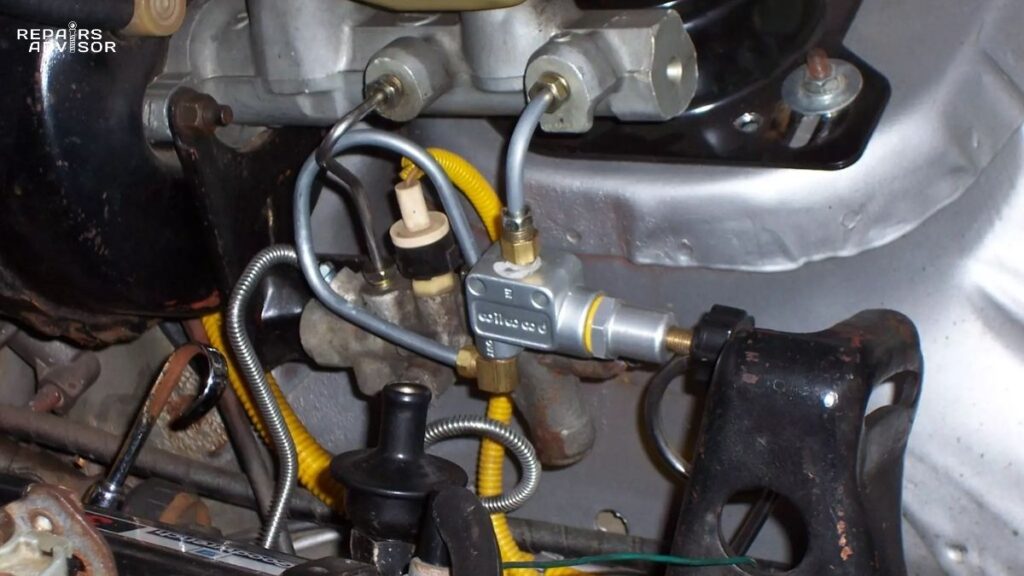
Your vehicle’s brake system contains a critical safety component that most drivers never think about—the brake proportioning valve. This unassuming device plays a vital role in preventing dangerous rear wheel lockup during emergency braking, maintaining vehicle stability when you need it most. Understanding how this hydraulic pressure regulator works helps you recognize symptoms of failure […]
How Brake Boosters Work: Power Assistance
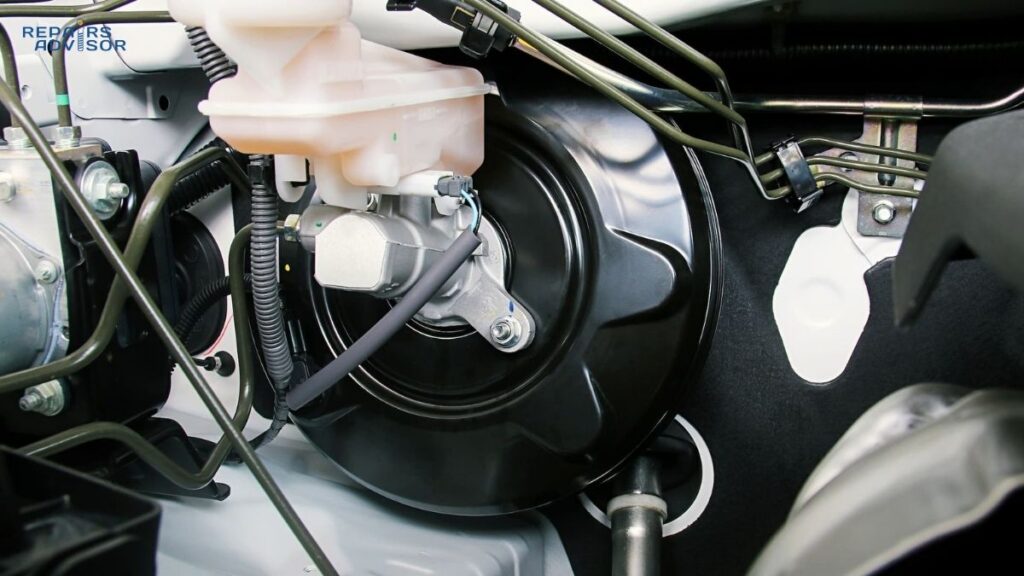
Modern vehicles weighing 3,000 to 6,000 pounds require immense force to bring them to a safe stop. Before brake boosters became standard equipment in the 1960s, drivers had to apply 100 pounds or more of pedal force to achieve adequate braking—a physically demanding and tiring task, especially in stop-and-go traffic or emergency situations. The brake […]
How Brake Fluid Works: Hydraulic Force Transmission
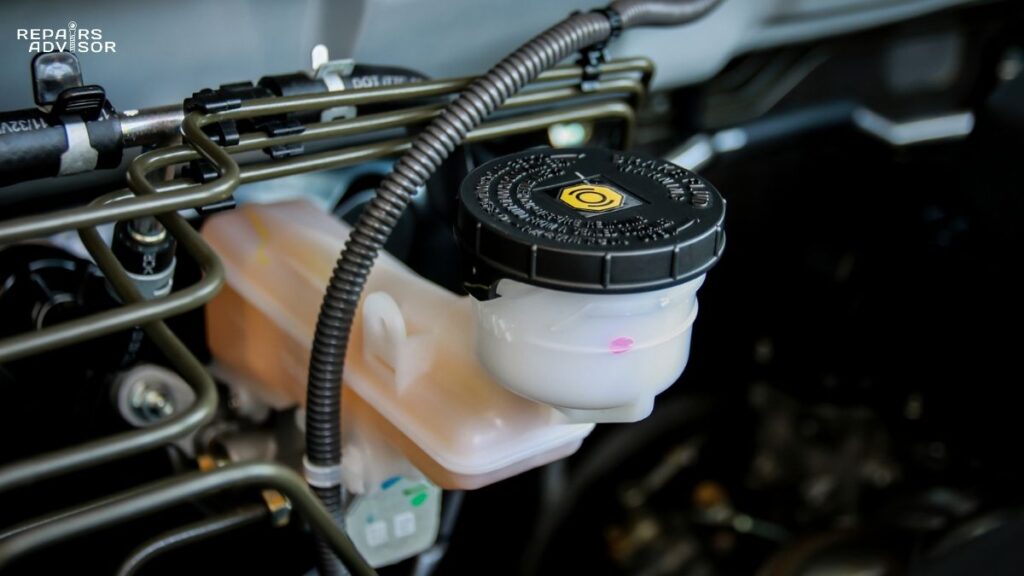
Your brake pedal connects to your wheels through an incompressible liquid working under extreme conditions that most drivers never think about. Every time you press the brake pedal, brake fluid transmits hundreds of pounds of force through steel lines and rubber hoses to activate calipers at each wheel. Without this vital hydraulic medium, you’d have […]
How Drum Brakes Work: Self-Energizing Mechanics

Despite the widespread adoption of disc brakes on modern vehicles, drum brakes remain a critical component of automotive braking systems. Found primarily on the rear wheels of passenger cars and light trucks, drum brakes offer a unique combination of cost-effectiveness, durability, and powerful stopping force that continues to make them relevant in today’s automotive landscape. […]
How Master Cylinders Work: Hydraulic Brake Control
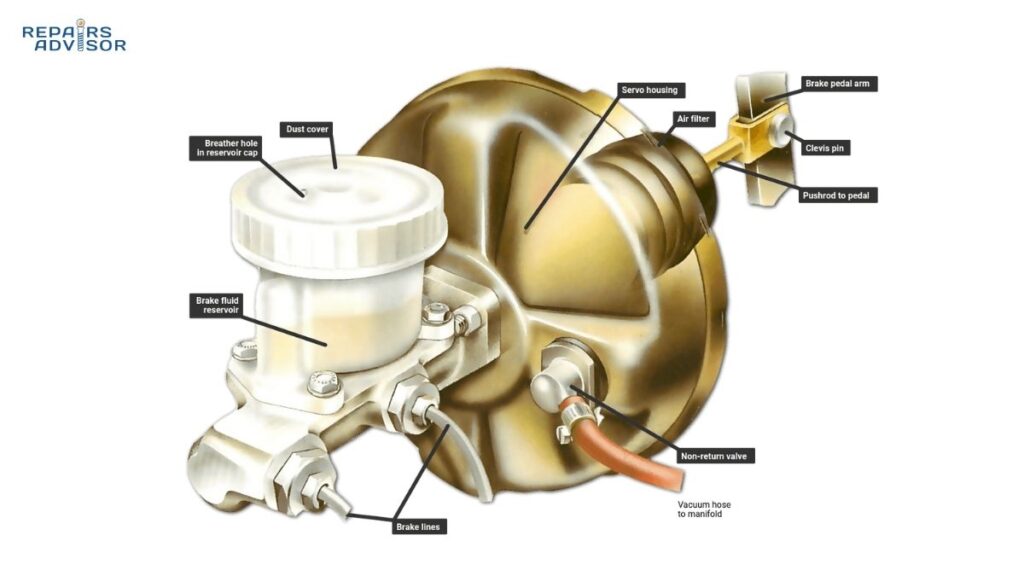
When you press your brake pedal and your vehicle responds with smooth, controlled stopping power, you’re experiencing the master cylinder at work. This precision-engineered hydraulic component serves as the heart of your braking system, converting the mechanical force from your foot into the hydraulic pressure that brings thousands of pounds of metal, passengers, and cargo […]
How Disc Brake Systems Work: Modern Stopping Power
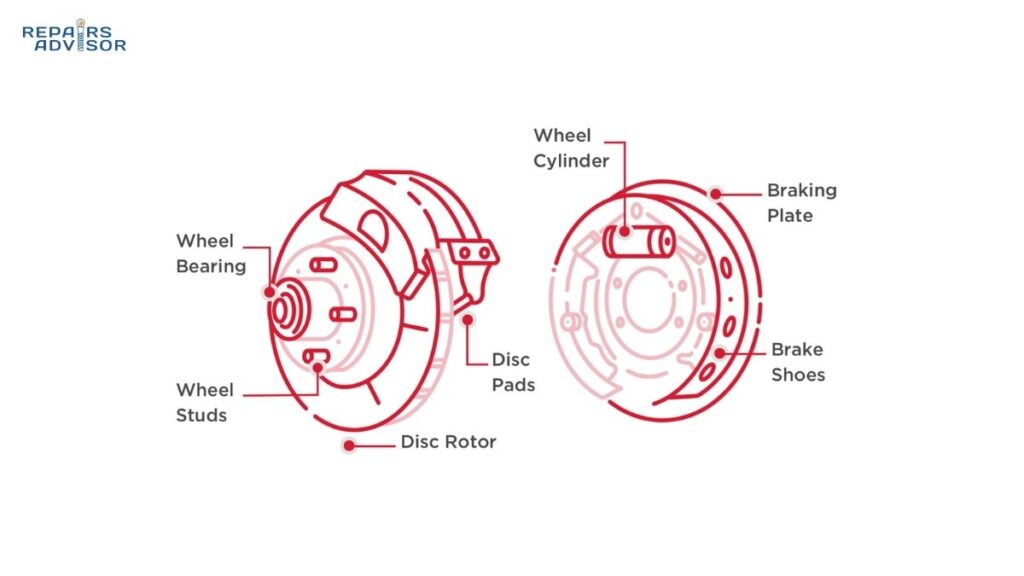
Modern vehicles rely on disc brake systems as their primary safety mechanism, converting kinetic energy into thermal energy through controlled friction to bring thousands of pounds of moving metal to a safe stop. Whether you’re navigating rush-hour traffic, descending mountain grades, or making an emergency stop to avoid a collision, your disc brake system performs […]
How Transfer Cases Work: 4WD Operation

If you’ve ever wondered how your truck or SUV seamlessly switches between two-wheel drive and four-wheel drive, or how all-wheel drive vehicles maintain traction in slippery conditions, the answer lies in a component most drivers never see: the transfer case. This unsung hero of the drivetrain serves as the “brain” of your vehicle’s 4WD or […]