

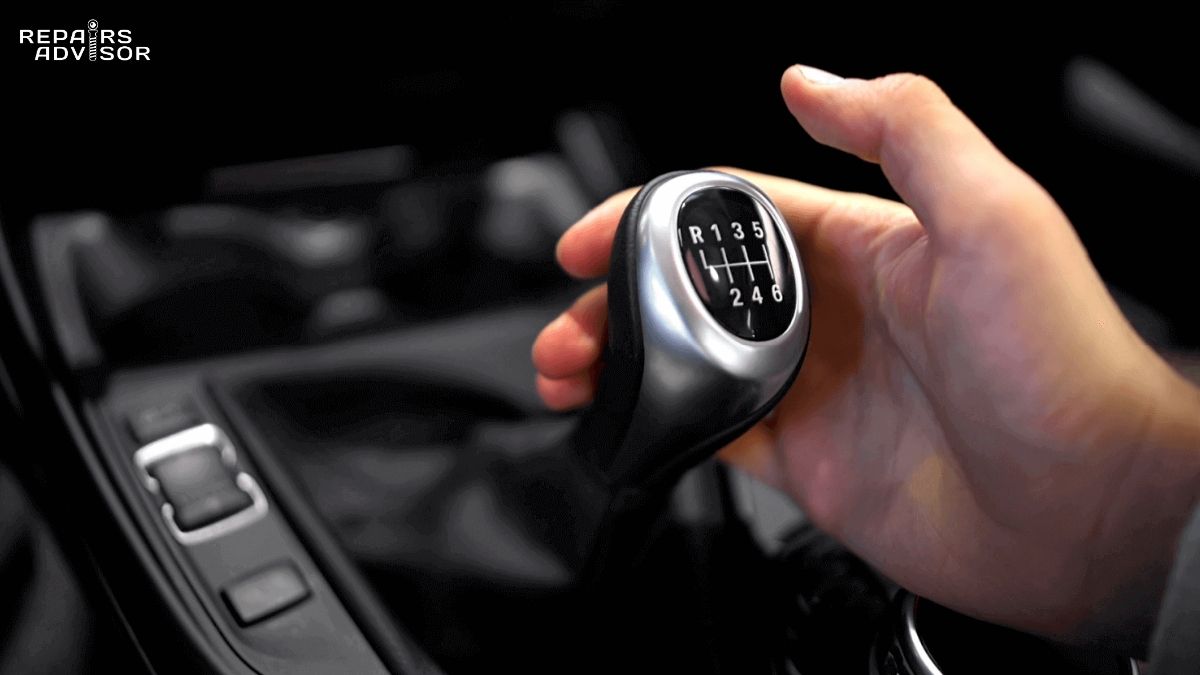
A manual gearbox is the mechanical link between your engine’s narrow, efficient RPM range and the wide range of speeds you actually drive at. Without it, an engine could only pull cleanly at one speed, jerking forward at low RPM or straining and overheating at high RPM. Understanding how gear selection and power transfer actually happen inside the gearbox makes it a lot easier to recognize when something’s wearing out, and to know what maintenance actually matters.
Quick Answer
A manual gearbox uses a clutch to disconnect engine power, then a system of shift forks and synchronizers to select the right gear ratio before the clutch reconnects power to the wheels. Most manual gearboxes need a gear oil change every 30,000 to 60,000 miles, and grinding, popping out of gear, or clutch slippage are the clearest signs something inside needs attention.
What a Manual Gearbox Does
At its core, a manual gearbox exists to solve one problem: engines only produce useful power across a fairly narrow RPM band, but a car needs to move efficiently anywhere from a dead stop to highway speed. The gearbox translates engine speed and torque into different ratios, using low gears to multiply torque for acceleration and high gears to let the engine turn slower at cruising speed. Power flows from the engine through the clutch and into the gearbox’s input shaft, then through a set of constantly meshed gears before reaching the output shaft and, ultimately, the wheels.
Key Components Inside the Gearbox
A typical manual gearbox has three main shafts: the input shaft (driven by the clutch), the countershaft or layshaft (which carries a fixed set of gears), and the output shaft (which drives the wheels). The gears on the layshaft and output shaft stay constantly meshed with each other — this is what’s known as a constant-mesh design. What actually changes when you shift isn’t which gears are touching; it’s which gear on the output shaft gets locked to the shaft itself, using sliding collars operated by shift forks connected to the gear lever.
The Clutch Connection
Before any gear change can happen, the clutch has to physically disconnect the engine from the gearbox, otherwise you’d be trying to swap gears while they’re still under load. Pressing the clutch pedal disengages the flywheel from the clutch disc, cutting power flow into the input shaft. Most modern cars use a hydraulic clutch system to actuate this, with a master cylinder and slave cylinder translating pedal pressure into mechanical clutch movement.
Synchronizers and Smooth Shifting
Here’s the part that trips a lot of people up: the gears themselves are always spinning, even the ones you’re not currently using. So how does the gearbox slide a collar onto a spinning gear without grinding? That’s the job of the synchronizer assembly. As the shift fork pushes the collar toward the target gear, a friction cone on the synchro ring matches the collar’s speed to the gear’s speed before the teeth actually engage. This is what makes modern manual shifting smooth instead of a grinding mess.
Professional Insight: The baulk ring inside the synchro assembly is what physically prevents the collar from engaging before speeds match — it’s a mechanical interlock, not just friction. This is also why reverse gear typically isn’t synchronized: since you only shift into reverse from a stop, there’s no speed mismatch to compensate for, which is why synchromesh design skips it on that gear.
How Gear Selection and Power Transfer Work, Step by Step
Putting it all together: you press the clutch pedal, which disengages the clutch release bearing and cuts power to the input shaft. Moving the gear lever pushes a selector fork, which slides a collar toward your chosen gear. The synchro ring matches speeds, the collar’s teeth lock onto the gear, and releasing the clutch pedal reconnects engine power — now flowing through the newly selected gear ratio to the output shaft and on to the wheels. Lower gears use a large gear-tooth ratio for more torque and less speed (good for acceleration or climbing), while higher gears flip that ratio for less torque and more speed (good for cruising efficiency). This is why first gear feels strong but noisy and short-lived, while top gear feels relaxed but sluggish if you ask for a sudden burst of acceleration — you’re trading torque for speed at every step up the gearbox.
Common Manual Gearbox Problems and Warning Signs
Because a manual gearbox is largely mechanical, most problems show up as physical symptoms you can feel or hear well before anything catastrophic happens. Grinding noises when shifting, especially into a specific gear, usually point to worn synchro rings that can no longer match shaft speeds properly. A gear that pops back out of engagement on its own, particularly under load, often means worn detents or a selector fork that’s lost its holding tension. Clutch slippage — where engine RPM rises without a matching increase in road speed — is a separate but related issue, often tied to a worn clutch disc or a fault in the clutch cable or linkage on cable-actuated systems. Fluid leaks around the gearbox case, or a low gear oil level, will also produce many of these same symptoms since the internal components rely on that oil for lubrication.
Whirring, clunking, or humming noises that change with vehicle speed rather than engine RPM often point to worn bearings inside the gearbox, since bearing wear tends to get louder as shaft speed increases. A delay between moving the shifter and actually feeling the gear engage is another early sign worth paying attention to — it can mean worn shift linkage, a stretched cable on cable-actuated setups, or the early stages of synchro wear before grinding becomes obvious. None of these symptoms mean the gearbox is about to fail outright, but catching them early is almost always cheaper than waiting until the problem worsens.
Safety note: A gearbox that won’t reliably stay in gear, especially one that pops out of gear while driving, is a genuine road-safety issue and not just an inconvenience. Get it inspected before continuing to drive on it regularly.
Gearbox Maintenance: Gear Oil and Basic Care
Most manufacturers recommend changing manual gearbox oil somewhere between 30,000 and 60,000 miles, though the exact interval depends heavily on your specific vehicle and how it’s driven — check your owner’s manual for the manufacturer-specified interval, since ranges this wide aren’t a substitute for it. Over time, gear oil breaks down from heat and picks up tiny metal particles from normal gear wear, which reduces its ability to protect the internal components. If you’re not sure what kind of transmission your vehicle has to begin with, identifying your transmission type is a good first step before planning any maintenance.
In simple terms: gear oil is what keeps all those metal gears and synchro rings from grinding against each other. Checking the fluid level and color is something most DIYers can do in a few minutes with basic tools — dark, gritty, or burnt-smelling fluid is a sign it’s overdue.
DIY vs. Professional: When to Get Help
Checking gear oil level and doing a straightforward fluid change are reasonable DIY tasks if you’re comfortable working under a vehicle with basic tools. Internal gearbox work is a different story. Replacing worn synchros, gears, or bearings means pulling the gearbox out of the vehicle and disassembling it — work that requires specialized tools and experience most home garages don’t have. Repair costs for internal gearbox issues can range from a few hundred dollars for minor clutch-related fixes up to several thousand for a full rebuild or replacement, depending on the extent of the damage and your vehicle. If you’re hearing grinding, experiencing pop-out, or noticing clutch slippage, it’s worth getting a professional diagnosis before the underlying wear gets worse.
Manual vs. Other Transmission Types
Manual gearboxes are mechanically simpler than the alternatives, which is part of why they’re generally cheaper to maintain. An automatic transmission replaces the clutch and manual shift mechanism with a torque converter and hydraulically controlled planetary gearsets, shifting on its own based on speed and load. A dual-clutch transmission takes a different approach again, using two separate clutches to pre-select the next gear for near-instant shifts. Both alternatives add complexity and cost compared to a manual gearbox’s constant-mesh design, though they trade that simplicity for shifting convenience. That extra complexity shows up at repair time too — automatic and dual-clutch units have more electronic and hydraulic components that can fail, and diagnosing them usually requires manufacturer-specific tools. A manual gearbox’s fault list is shorter and more mechanical in nature, which is a big part of why fluid changes and basic repairs tend to cost less than on an equivalent automatic.
Conclusion
A manual gearbox’s mechanical simplicity is exactly what makes it durable and relatively cheap to maintain — but “simple” doesn’t mean “maintenance-free.” Staying on top of gear oil changes is squarely a DIY-friendly task, while grinding, pop-out, or clutch slippage are signs it’s time for a professional to take a closer look before a manageable issue turns into an expensive one.
Manual Gearbox FAQ: Common Questions Answered
Manual gearboxes are mechanically simple, but that simplicity raises its own set of questions once something starts feeling off — a grinding shift, a gear that won’t stay put, or just wondering when the fluid actually needs changing. Here are straight answers to the questions that come up most.
How do I know if my gearbox oil needs changing?
Check the color and smell first: fresh gear oil is typically translucent amber, while degraded oil turns dark, gritty, or develops a burnt smell. Most manufacturers recommend a change somewhere between 30,000 and 60,000 miles, though the exact interval depends on your vehicle, so it’s worth confirming against your owner’s manual rather than relying on a general range. If you’re not sure what kind of transmission you’re working with in the first place, identifying your transmission type is the logical first step.
Why does my gearbox grind when I shift?
Grinding almost always points to worn synchronizer rings that can no longer match the speed of the gear you’re shifting into before the collar engages. It can also show up if the clutch isn’t fully disengaging, so the gearbox is still under load when you try to shift. Understanding how synchronizers work makes it easier to recognize why this symptom specifically shows up on certain gears and not others.
Why does my car pop out of gear while driving?
This usually means worn detents, a weak selector fork, or internal wear that’s letting the gear disengage under load. It’s a genuine safety concern, not just an annoyance, since it can happen unexpectedly mid-drive. If it’s happening regularly, get it inspected rather than continuing to drive on it.
What’s the difference between clutch slipping and gearbox slipping?
Clutch slipping shows up as engine RPM rising without a matching increase in road speed, typically from a worn clutch disc or a fault in the clutch cable or linkage. Gearbox-related “slipping” — a gear popping out on its own — is a separate mechanical issue inside the gearbox itself, usually tied to worn detents or selector fork wear rather than anything clutch-related. Since the symptoms can feel similar behind the wheel, a proper diagnosis is the only way to tell them apart.
Can I drive with a grinding manual gearbox?
Short-term, occasional grinding on a single gear usually won’t strand you immediately, but it’s a sign of active wear that gets worse the longer it’s ignored. Driving on it regularly accelerates damage to the synchro rings and surrounding components, turning what might be a manageable repair into a more expensive one. Get it checked rather than treating grinding as background noise.
Is manual gearbox maintenance cheaper than automatic?
Generally, yes. A manual gearbox has fewer components and no complex hydraulic or electronic control systems, which keeps both fluid changes and repairs simpler and less expensive than on an automatic transmission. That said, manual-specific wear items like the clutch are considered normal wear parts and aren’t typically covered by extended powertrain warranties, so driving style still affects your long-term costs.
Can I change manual gearbox oil myself?
Yes — checking the fluid level and doing a straightforward drain-and-refill are reasonable DIY tasks for anyone comfortable working under a vehicle with basic tools. What’s not DIY-appropriate is anything involving the internal components: replacing synchros, gears, or bearings requires pulling the gearbox and disassembling it, which is professional-only work.
What does the clutch actually do in a manual gearbox?
The clutch is what temporarily disconnects the engine from the gearbox so gears can be selected without grinding against each other under load. Pressing the pedal separates the clutch disc from the flywheel, cutting power flow into the input shaft; releasing it reconnects them once the new gear is engaged. Most modern vehicles use a hydraulic clutch system to translate pedal pressure into that mechanical movement, rather than a simple cable.
How long does a manual gearbox typically last?
With normal maintenance, a manual gearbox’s internal gears and shafts can easily outlast 150,000–200,000 miles, since they’re largely mechanical components without the wear-prone hydraulics found in automatics. The clutch itself is the more common wear item, and its lifespan varies widely — anywhere from 60,000 to well over 100,000 miles — depending heavily on driving style, since aggressive shifting and clutch-riding accelerate wear on the flywheel and pressure plate as well as the disc itself.
Is it normal for a manual gearbox to make any noise at all?
A quiet whine in certain gears, especially at higher mileage, can be within normal range for some vehicles and doesn’t necessarily indicate a problem on its own. What’s not normal is a noise that changes character — grinding, clunking, or a whine that gets progressively louder over weeks — since that pattern usually points to developing wear rather than a static, harmless characteristic of the gearbox.
What’s the difference between a manual gearbox and a dual-clutch transmission?
A traditional manual gearbox uses a single clutch and driver-operated shift linkage, with synchronizers matching gear speeds as you shift. A dual-clutch transmission automates that process using two separate clutches that pre-select the next gear, allowing near-instant shifts without a clutch pedal. The dual-clutch design trades manual mechanical simplicity for shift speed and convenience, at the cost of added electronic and hydraulic complexity.